Floors take the full weight of daily life. Furniture is dragged across them, water is spilt on them, pets scratch them and houses move beneath them. Skirting boards along the bottom of walls get kicked, knocked by vacuums and chewed by puppies. When floors squeak, lift or chip, or skirting comes away from the wall, the whole room looks tired.
We repair floors and skirting boards in homes, rentals and businesses across Cranbourne and the surrounding suburbs.
Floor and skirting repairs we do
- Fixing squeaky timber floorboards
- Re-fixing lifted or loose boards
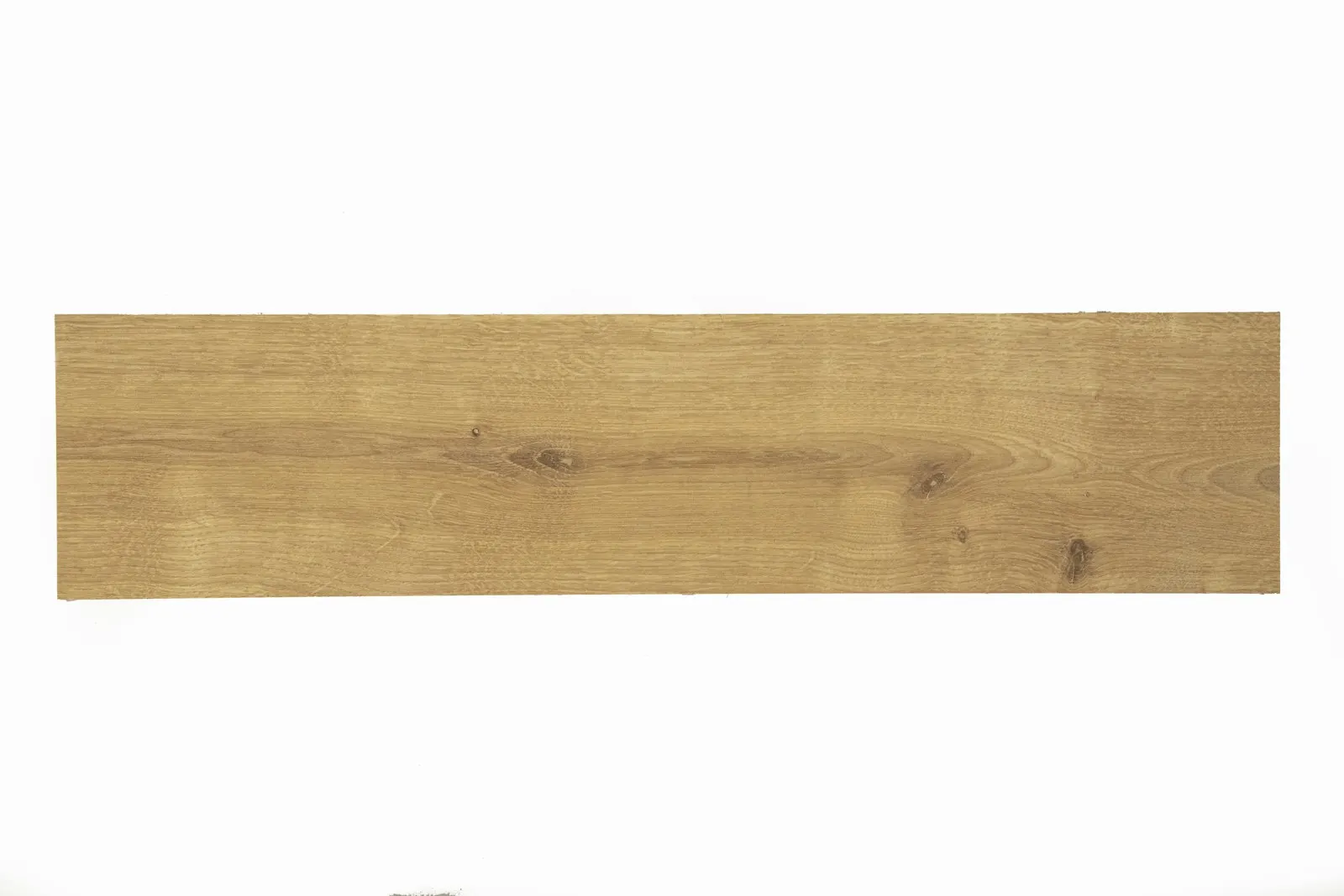
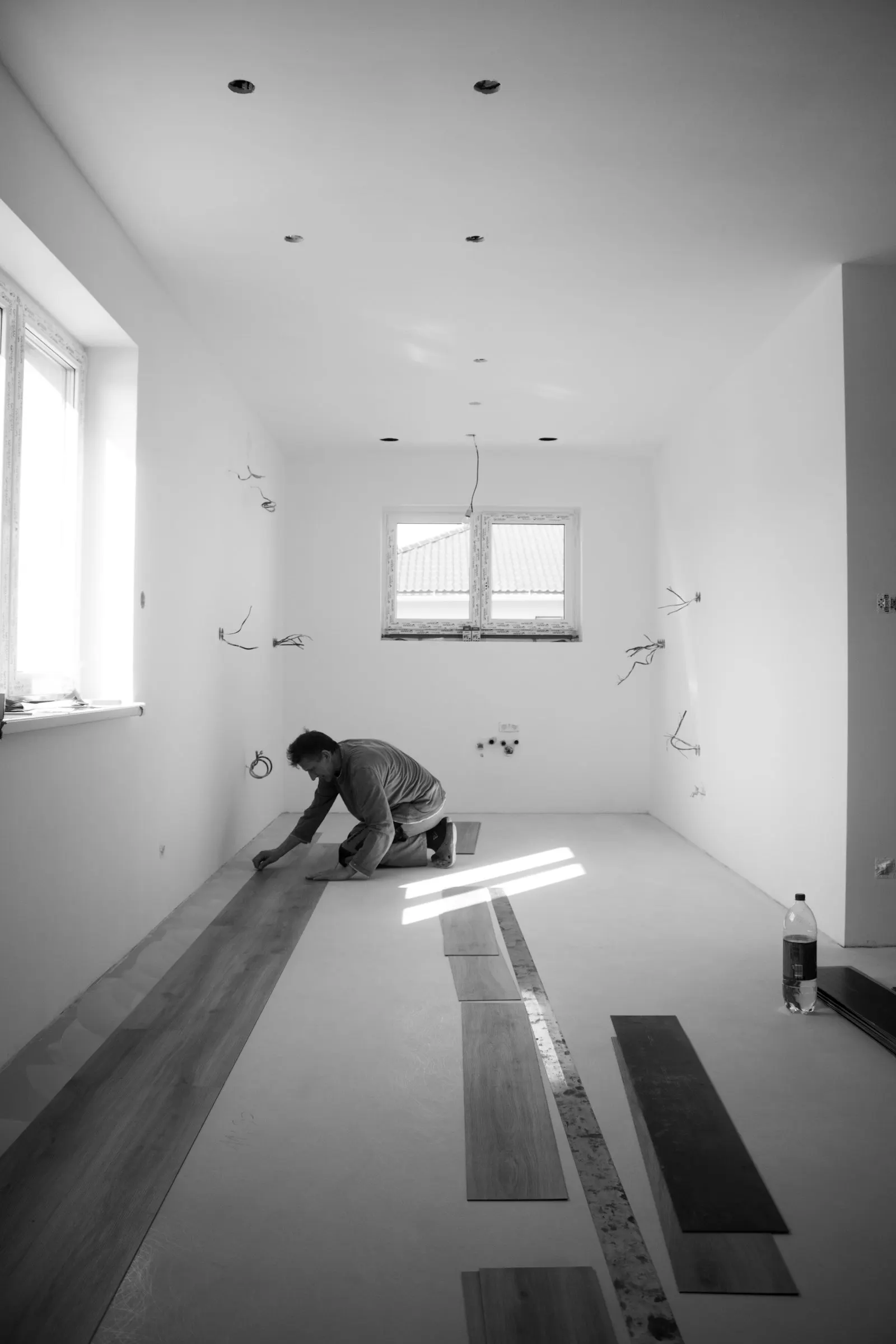
- Replacing damaged laminate or vinyl planks
- Repairing chipped or gouged floorboards
- Fitting or replacing floor trims, scotia and threshold strips
- Fixing transition strips between different floor types
- Re-fixing loose skirting boards
- Replacing damaged lengths of skirting
- Fitting new skirting after flooring changes
- Filling gaps between skirting and floors or walls
- Fitting door stops to protect walls
Floor types around Cranbourne
Homes around Cranbourne have a wide range of flooring:
- Timber floorboards in older homes, often on stumps with a subfloor underneath
- Floating floors such as laminate, hybrid and engineered timber in many newer homes
- Vinyl planks in kitchens, laundries and rentals
- Tiles in wet areas and living spaces (see tiling and regrouting)
- Carpet in bedrooms, which needs a carpet layer for repairs
Each needs a different repair approach.
Squeaky floorboards
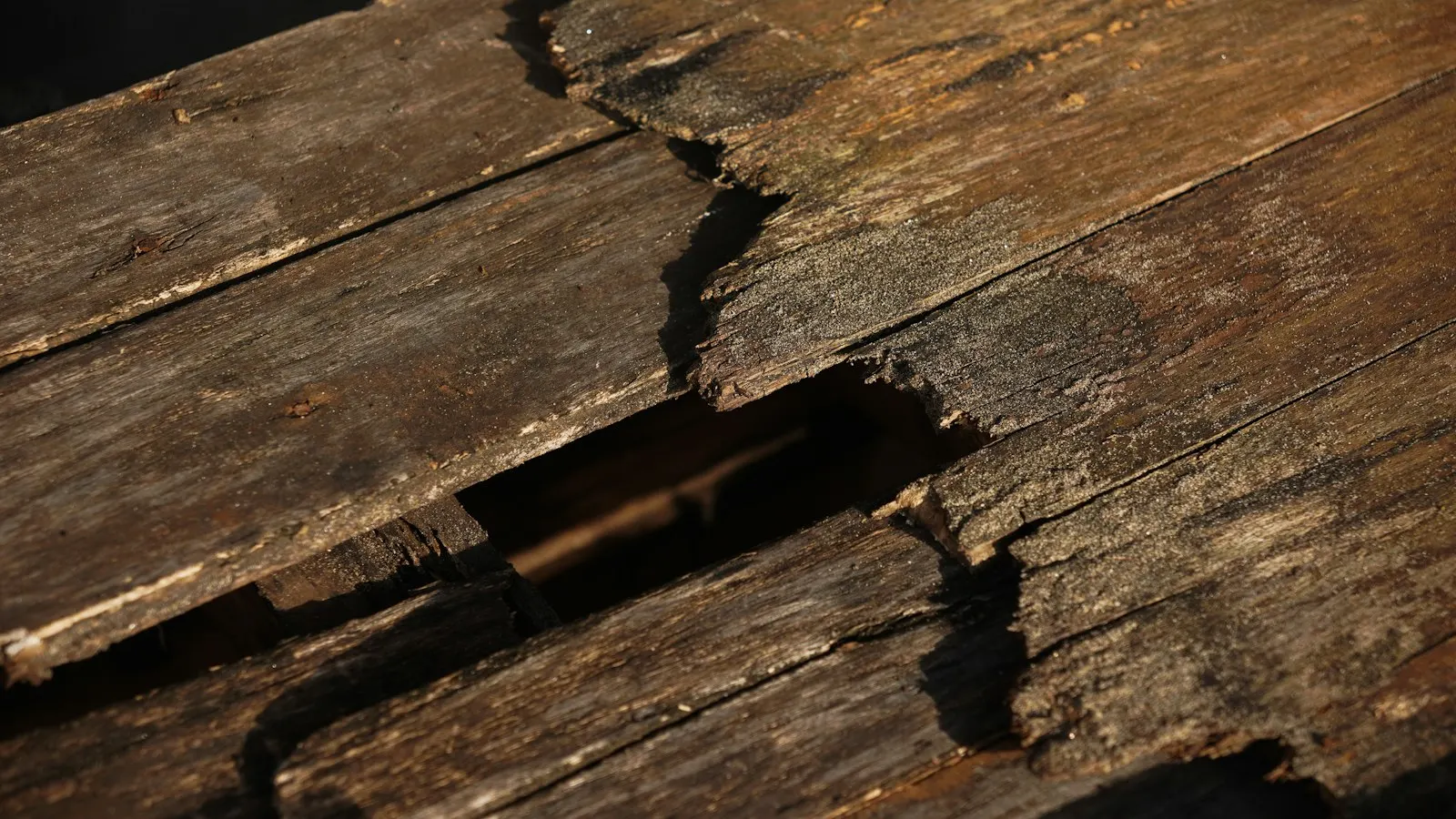
Squeaks come from boards rubbing against each other or against nails. They are common in older homes on stumps, especially where the subfloor timber has dried and shrunk. Fixes include re-nailing or screwing boards to the joists, adding packing between joists and boards from underneath where accessible, and lubricating joints. Some squeaks can be fixed from above with special screws that snap off below the surface.
Floating floors
Laminate and hybrid floors are not fixed to the subfloor. They float and expand and contract with temperature and humidity. Problems include:
- Peaking or lifting where boards push against walls or fixed objects because the expansion gap is too small
- Gaps opening between boards
- Swelling at joints from water spills
- Chips and dents
We correct expansion gaps by trimming boards or skirting. Damaged planks can often be replaced, either by unclipping from the nearest wall or by cutting out a single plank and gluing a new one in place. As with tiles, keeping spare planks from installation is very helpful.
Water damage
Laminate and some hybrid floors swell when water gets into joints, from a leaking dishwasher, fridge water line, pet bowl or an overflowing sink. Swelling usually does not reverse. Once the leak is fixed, damaged planks need replacing.
Skirting boards
Skirting boards protect the base of walls and hide the expansion gap at the edge of floors. They come loose when adhesive fails or fixings miss studs. We re-fix them into framing with nails or screws, fill holes and touch up paint. Where lengths are damaged or chewed, we replace them, matching profile and height. After new flooring, skirting may need to be removed and refitted or replaced.
Floor trims and thresholds
Where two floor types meet, or at external doors, trims cover the edge and prevent tripping. Loose or damaged trims can catch toes and wheels. We re-fix or replace them with suitable profiles. Trip hazards are particularly important for older people. See aged care and disability rails.
Subfloor issues
If floors are bouncy, sloping or very uneven, there may be issues with stumps or bearers below. Older homes on stumps in Cranbourne’s clay soils can move with seasons. Re-stumping and subfloor repairs need a specialist. We will tell you if we see signs.
Laminate, hybrid and engineered: what is the difference?
These floating floors look similar but behave differently.
- Laminate has a printed image layer on a fibreboard core. It is affordable and scratch-resistant, but its core swells permanently if water gets into joints.
- Hybrid flooring has a rigid core of stone-plastic composite or similar. It handles water better than laminate and is very common in new homes and renovations around Cranbourne. It is still not waterproof at the edges and can be affected by standing water underneath.
- Engineered timber has a real timber top layer on a plywood or composite base. It can often be lightly sanded and refinished, depending on the thickness of the top layer.
- Vinyl planks are thin and flexible, either glued down or click-together. They are water-resistant but can dent and tear.
Knowing which floor you have changes how we repair it. If you have the product name from the original box or builder’s paperwork, include it in your request.
Replacing a plank in the middle of a room
Floating floors click together in rows, so the obvious way to replace a plank is to unclip from the nearest wall. For a plank in the middle of a large room, this may mean lifting many rows. An alternative is to cut out the damaged plank carefully, trim the locking profile on the replacement and glue it into place. The result is strong and nearly invisible if the plank is a good match. We decide on the method after looking at the floor and the location of the damage.
Timber floor repairs
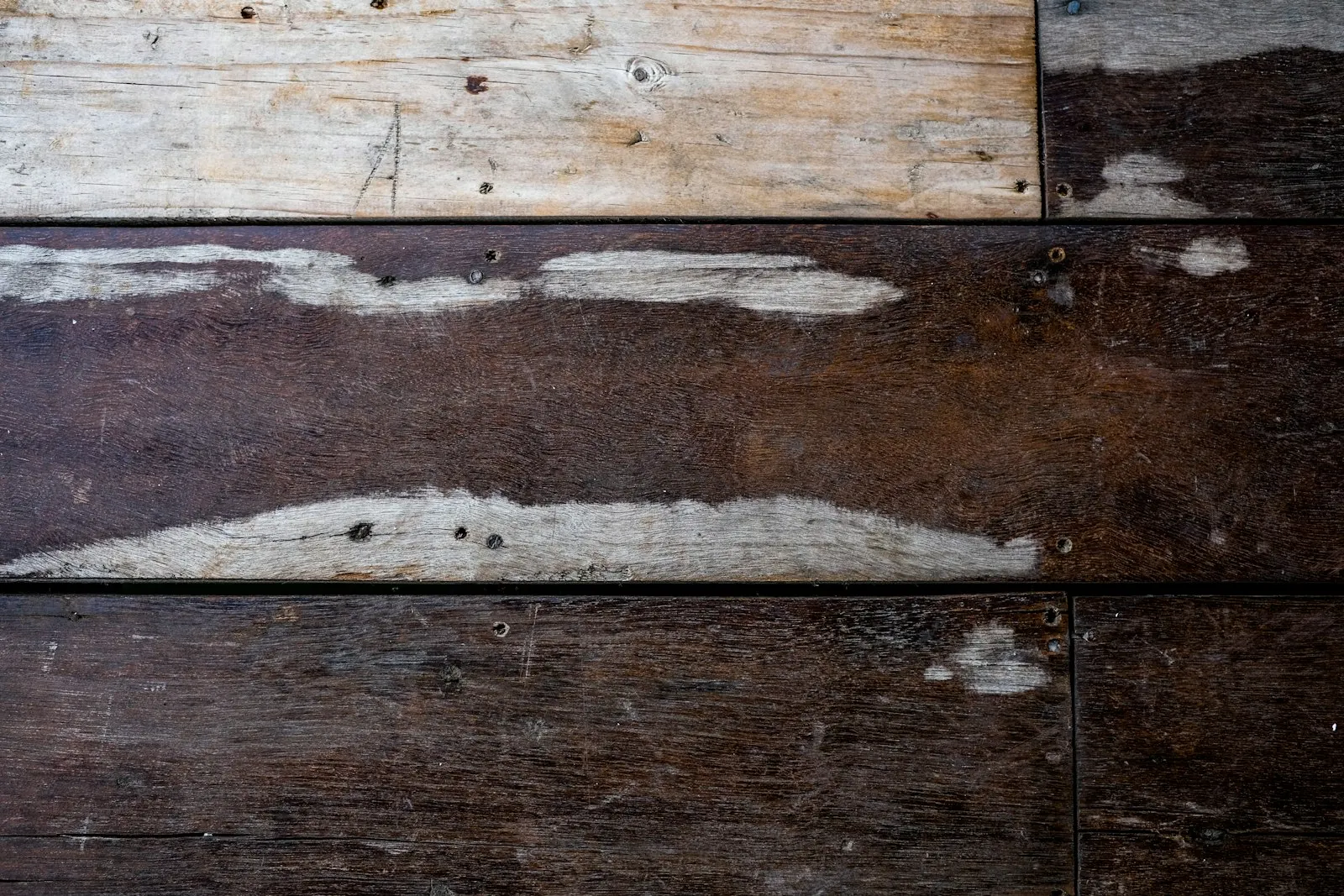
Solid timber floors are durable and can be repaired in ways floating floors cannot. Damaged boards can be cut out and replaced with matching boards, then sanded and finished to blend. Deep scratches and dents in timber can sometimes be steamed out or filled. Large-scale sanding and polishing should be done by a floor sanding specialist, but we can prepare small repair areas.
Older homes in central Cranbourne and in the older townships often have hardwood floors under carpet. If you are thinking of pulling up carpet to expose boards, we can lift a corner to check the condition and repair damaged sections before sanding.
Gaps and draughts at floor level
Gaps between skirting and floors let in draughts, dust and insects, particularly in homes with timber floors on stumps. Scotia or quad moulding covers gaps at the base of skirting where floors have been replaced. Sealing gaps with flexible caulk improves comfort. Under-floor draughts in older homes can also be reduced by sealing gaps around pipes that pass through the floor.
Doors and new flooring
When new flooring is laid over old, the floor level rises. Doors may then rub or not open. We remove doors, trim the bottom edge accurately and rehang them. We also check door stops and adjust thresholds so the transition between rooms is smooth.
Skirting styles
Skirting comes in many heights and profiles. Common styles in the Cranbourne area include:
- Bullnose with a rounded top edge, very common in project homes
- Splayed with an angled top edge
- Square-edge for a minimal modern look
- Colonial and ogee profiles in older and traditional homes
Height ranges from small 67 mm skirting to tall skirting over 140 mm. Matching both profile and height ensures repairs blend in. Where an exact match is not available, replacing a full wall length gives a cleaner result than mixing profiles.
Pets and floors
Dogs and cats are hard on floors. Claws scratch soft finishes, and accidents can damage joints in laminate. Chewed skirting is common with puppies. We replace damaged planks and skirting and can suggest more resilient options, such as harder-wearing floor types, protective trims and corner guards.
Wet area floors
Laundry and bathroom floors are usually tiled or sheet vinyl. Water damage at the junction of these floors with adjoining timber or laminate floors is common, especially near laundry doorways. Fixing the source of water, then replacing the damaged section and fitting a good transition strip prevents repeated problems.
Floor levelling and uneven floors
Floating floors need a flat subfloor. Where a slab has high or low spots, boards can flex, click, separate or feel springy. Slab grinding and levelling compound are used by flooring installers before laying. If an existing floor has developed soft or springy patches, the cause may be an uneven slab beneath. We can lift and check small areas, but large-scale re-levelling is a job for a flooring specialist.
Caring for floors
- Use felt pads under furniture legs.
- Use doormats at entries to trap grit.
- Wipe spills promptly, especially on laminate.
- Clean with products recommended by the floor manufacturer.
- Avoid steam mops on floating floors unless the manufacturer allows them.
- Keep pets’ claws trimmed.
- Use blinds to reduce sun fading and heat build-up near glass doors.
Keeping records of your flooring
Keep a note of your floor’s brand, product name and colour, along with a few spare planks and the receipt. If you need repairs years later, this information is invaluable.
Trip hazards
Loose trims, lifting carpet edges and raised thresholds are trip hazards, especially for older people and children. Fixing them is quick and makes a real difference.
What to send
Photos of the damaged area, a wide shot of the room, the floor type if known and the brand of any spare planks help us plan the repair and bring the right tools and trims. For skirting, a photo of the profile end-on and a measurement of the height are very useful.
Where we work
We repair floors and skirting across Cranbourne, Cranbourne North, Cranbourne West, Clyde North, Lang Lang and our other service areas. Send photos and, if possible, spare flooring details through our quote form.
Frequently asked questions
Can you fix squeaky floorboards?
Usually, by re-fixing boards to joists or adding packing from underneath where accessible.
Can you replace one laminate plank?
Often, yes, either by unclipping from the wall or cutting out and gluing in a replacement.
Why is my floating floor lifting?
Often because it is pressing against walls or fixed objects with no expansion gap.
Can you replace chewed skirting?
Yes, matching profile and height as closely as possible.
Do you repair carpet?
No. Carpet repairs are best done by a carpet layer.
What is the difference between laminate and hybrid?
Laminate has a fibreboard core that swells if wet. Hybrid has a rigid composite core that handles water better.
Can you replace a plank in the middle of the room?
Yes, often by cutting it out and gluing in a replacement rather than lifting many rows.
Can I use a steam mop on my laminate?
Only if the manufacturer allows it. Steam can push moisture into joints and cause swelling.
Do you fit floor trims between rooms?
Yes. We fit and replace transition strips, thresholds and scotia to suit the floor types.
Get a free quote
Send us your list of jobs, your suburb and a few photos. We will reply with a clear written scope and a free, no-obligation quote.
Get a free quote