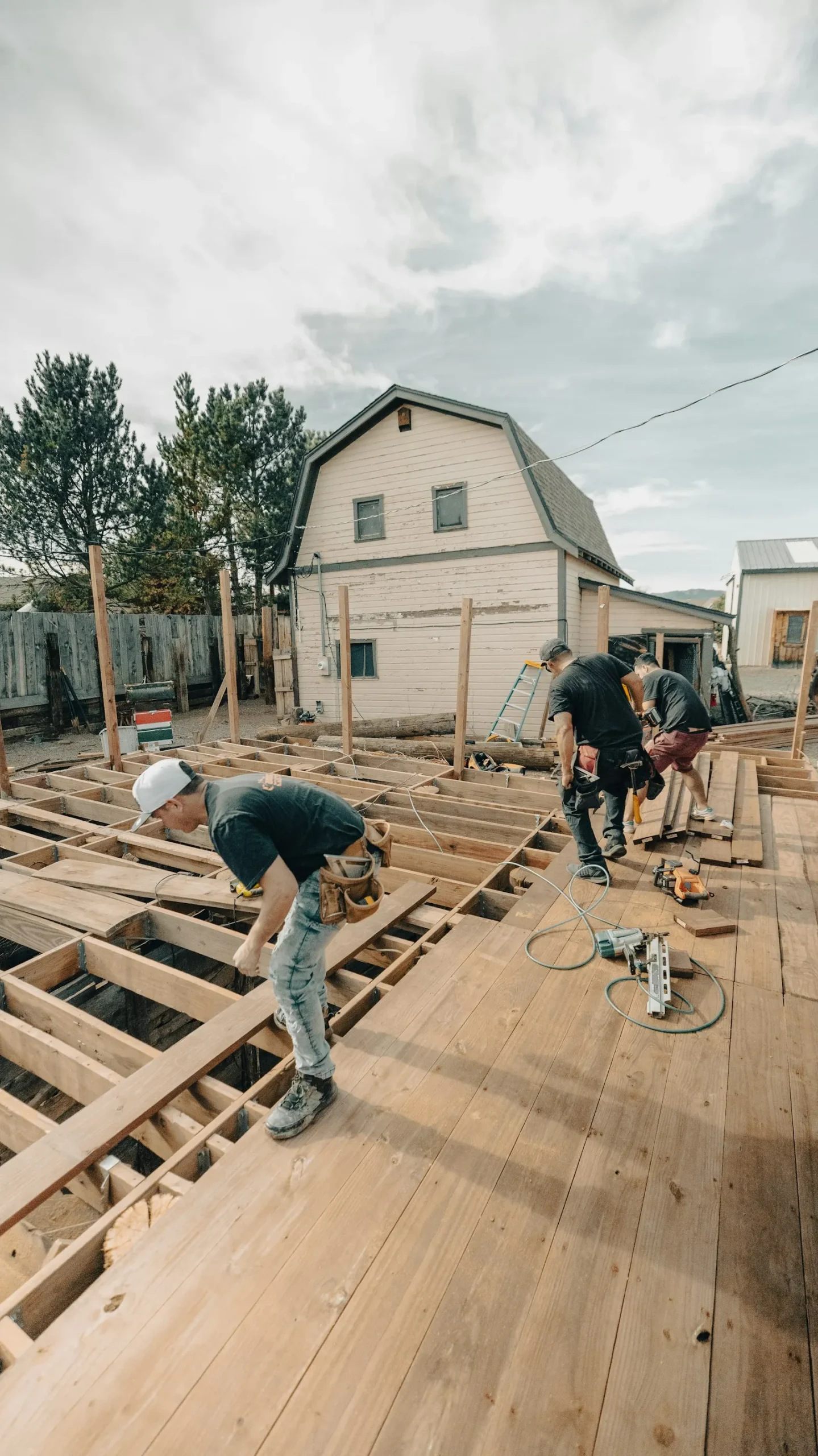
Outdoor living is a big part of life in Cranbourne. Many homes have a timber deck off the family room, a pergola over the alfresco area or a raised platform to deal with a sloping block. These spaces get used through spring, summer and autumn, and then sit through months of rain and cold. Timber outdoors needs regular care, and when it is neglected, boards loosen, fixings rust and small rot spots spread.
We repair decks, steps, handrails and pergolas across Cranbourne and the surrounding suburbs, and we clean and oil timber to keep it in good condition.
Deck repairs we do
- Replacing loose, cracked, cupped or rotten deck boards
- Re-fixing boards with new screws where nails have popped
- Replacing rusted fixings with stainless or galvanised screws
- Repairing or replacing timber steps and stair treads
- Tightening and repairing handrails and balustrades
- Replacing damaged fascia and edge boards
- Fixing small areas of rot in bearers and joists where the structure is otherwise sound
- Cleaning, sanding and oiling deck surfaces
Pergola repairs we do
- Replacing damaged or rotten rafters and battens
- Re-fixing loose beams and brackets
- Replacing rusted post stirrups and brackets where safe to do so
- Repairing timber posts at the base
- Re-fixing polycarbonate or shade-cloth roofing that has come loose
- Cleaning and oiling or staining pergola timber
Signs your deck needs attention
Walk across your deck slowly and look for:
- Boards that move or bounce underfoot
- Nail heads or screws sticking up
- Soft, spongy or darker patches in the timber
- Splits and cracks, especially at board ends
- Grey, dry timber that absorbs water quickly
- Steps that wobble or treads that flex
- Handrails that move when you lean on them
Some of these are cosmetic. Others, especially soft timber and loose handrails, are safety issues. A handrail that gives way on a raised deck can lead to a serious fall.
Structural limits
We repair deck surfaces, steps, handrails and minor structural elements on low decks. Decks more than a metre or so above ground, decks attached to the house where the ledger connection is damaged, and decks with widespread rot in the bearers and joists may need a registered building practitioner and in some cases a building permit. If we find structural problems beyond our scope, we will tell you and suggest who to talk to. We would rather do that than patch over a problem that needs proper repair.
Choosing replacement boards
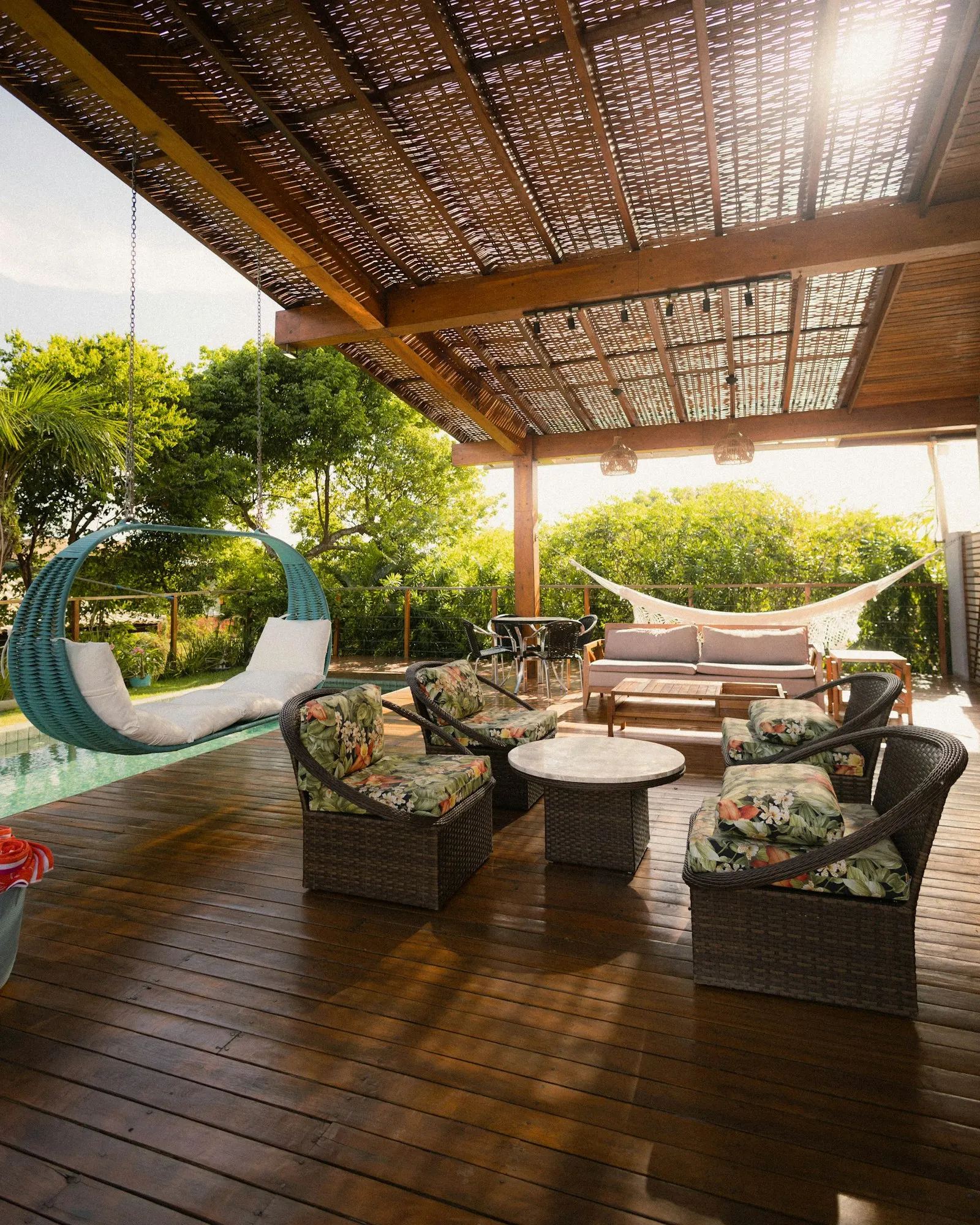
Most decks around Cranbourne are built from treated pine, merbau or other hardwoods, with some newer homes using composite boards. We match replacement boards to the existing species and width where possible. New timber will look different at first, especially next to weathered boards, but cleaning and oiling the whole deck helps blend the repair.
Composite boards are harder to match because colours and profiles change between manufacturers and over time. If you know the brand and product name of your composite decking, include it in your quote request.
Cleaning and oiling
Timber decks need oil or stain to stay healthy. Oiling slows moisture absorption, reduces cracking and keeps the colour rich. As a general guide, decks in full sun need re-oiling more often than shaded decks.
Our deck refresh process usually involves:
1. Clearing furniture and pot plants.
2. Fixing any loose boards and punching down or replacing popped fixings.
3. Cleaning with a deck cleaner to lift dirt, mould and grey timber.
4. Light sanding where needed to remove rough patches and splinters.
5. Applying oil or stain in thin coats, following the product instructions.
6. Leaving the deck to cure before furniture goes back.
Weather matters. Oil should not be applied before rain or in extreme heat, so deck oiling is often scheduled for mild days in spring and autumn. Our pressure washing service covers cleaning decks before oiling.
Steps and handrails
Steps are where decks fail first because they take concentrated loads and sit closest to the ground. Stringers can rot at the base, treads can split and handrails can loosen. We replace treads, re-fix or replace stringers where practical, and tighten or rebuild handrails so they are solid. Where an older deck has handrails or balustrades that would not meet current standards, we can talk through options to improve safety.
Pergolas and alfresco areas
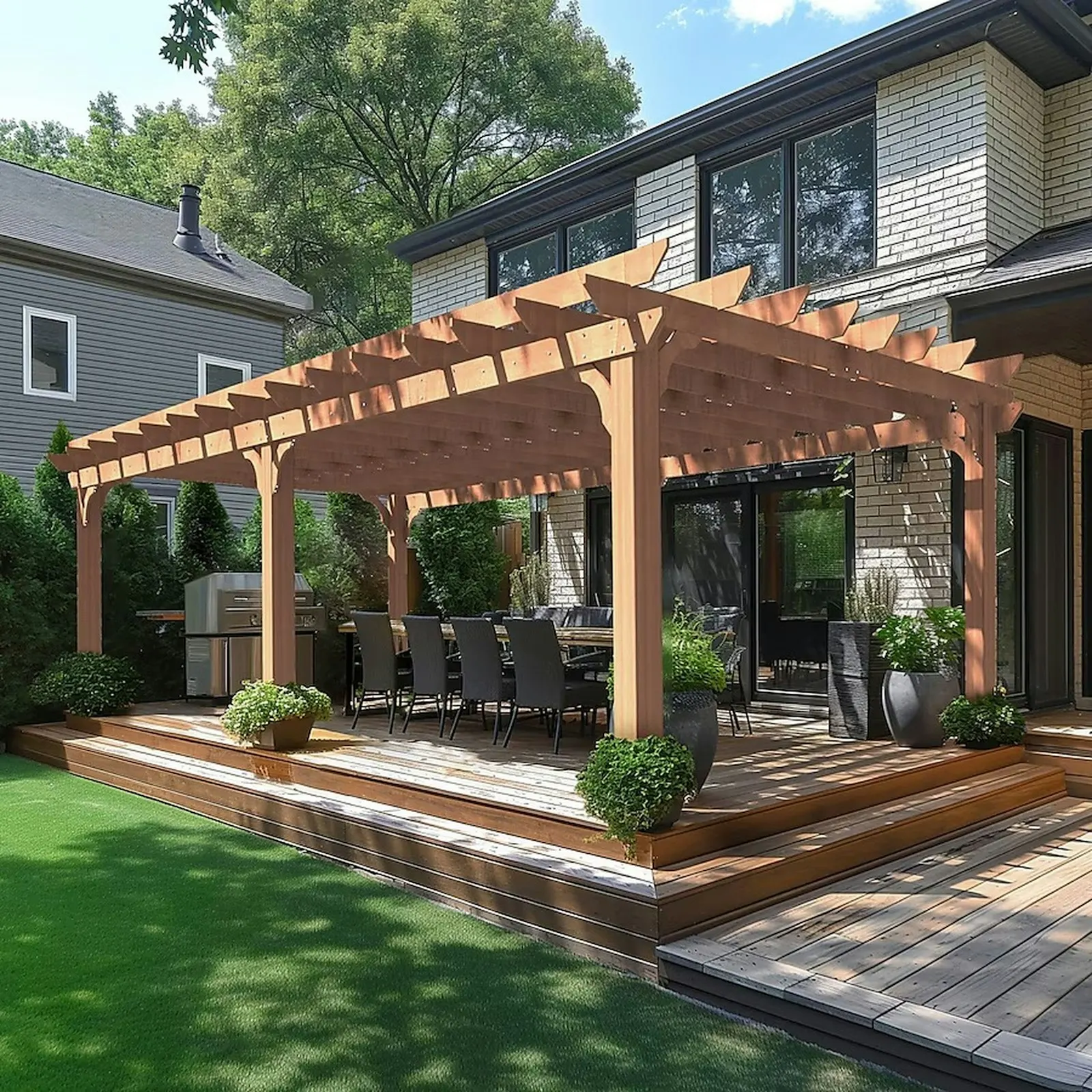
Many homes in Clyde North, Cranbourne East and Botanic Ridge were built with an alfresco area under the main roof, and owners later add a pergola or verandah to extend it. Timber pergolas are exposed on every surface and need the same care as a deck. Where rafters have twisted or split, we replace them. Where post bases sit in water, we look at raising them on stirrups to stop future rot.
Common deck problems by age
Decks under five years old
Even new decks can have issues. Boards may cup or split if they were not oiled soon after construction, screws can pop as the timber dries, and gaps between boards can open or close more than expected. Early oiling and a check of fixings after the first summer make a big difference.
Decks five to fifteen years old
This is when maintenance gaps show. Decks that have not been oiled regularly turn grey and start to split. Board ends crack. Nails rise. Steps and handrails take a beating. Most decks in this age range can be brought back with repairs, cleaning and oil.
Decks over fifteen years old
Older decks may have rot in the joists and bearers, especially where they sit close to the ground or where debris collects between boards. Some may have been built with untreated timber or with fixings that have rusted. A careful check underneath is important before investing in surface repairs.
Low decks and ventilation
Many decks around Cranbourne are built close to the ground, particularly on flat blocks in new estates. Low decks have poor airflow underneath, so moisture lingers and rot sets in sooner. Leaves and dirt that fall between boards build up beneath and hold more water. Keeping gaps between boards clear, making sure soil does not touch the frame and improving drainage under the deck all help.
Fixings
Fixings are often the first thing to fail on an older deck. Plain steel nails rust and loosen, and galvanised nails can rise as the timber moves. Modern decking screws hold boards more firmly and can be stainless steel for coastal or high-moisture areas. Around Lang Lang and Koo Wee Rup, where the air carries more moisture from Western Port, stainless fixings are a sensible choice. When re-fixing a deck, we replace popped nails with screws.
Timber choices for repairs
- Treated pine is affordable and common, especially for structure. It needs regular oiling or staining.
- Merbau is a popular hardwood with a rich red colour. It bleeds tannin when new, which can stain concrete and paths, so we take care where it sits near other surfaces.
- Spotted gum, blackbutt and other Australian hardwoods are durable and attractive. Some have good natural resistance to fire, which is relevant in bushfire-prone areas.
- Composite decking needs little maintenance but cannot be oiled and must be matched to the manufacturer’s range.
Bushfire considerations
Parts of Cardinia Shire and some semi-rural areas near Cranbourne are in designated bushfire-prone areas. New decks in these areas must meet construction requirements based on the bushfire attack level. For repairs, keeping decks clear of leaves and debris, keeping gaps clean and choosing appropriate timber all help. If you are planning significant work in a bushfire-prone area, check requirements with a building surveyor.
Pergola roofing
Pergolas may be open or roofed with polycarbonate, metal sheeting or shade cloth. Polycarbonate becomes brittle and discoloured with age and sunlight, and fixings can loosen in wind. We can re-fix loose sheets, replace damaged individual sheets where matching material is available, and clean out debris that builds up on top. Full roof replacement with metal sheeting or extensive work above head height may need a roofing specialist.
Preparing your deck for summer
A short checklist each spring:
1. Sweep and clear the gaps between boards.
2. Check for popped fixings and soft timber.
3. Wobble every handrail and baluster.
4. Wash the deck and let it dry.
5. Oil if water no longer beads on the surface.
6. Check steps and stringers.
Making a deck safer for children and older people
Decks are often where children play and where older relatives sit outside. A few targeted repairs make them safer: replacing split boards that can give splinters, fixing raised screw heads that catch bare feet, adding a second handrail on steps, improving the grip of step nosings and making sure gaps in balustrades are not wide enough for a small child to slip through. Slippery surfaces in winter can be improved by regular cleaning to remove algae, and by choosing an oil with an anti-slip additive.
Where we work
We repair decks and pergolas across Cranbourne, Botanic Ridge, Cranbourne East, Clyde North, Devon Meadows and our other service areas. Send photos of the deck, close-ups of problem areas and a rough size through our quote form.
Frequently asked questions
Can you replace just a few deck boards?
Yes. We replace damaged boards and match the timber as closely as possible. Oiling the whole deck afterwards helps blend new and old boards.
How often should I oil my deck?
It depends on sun exposure and the product used. Decks in full sun generally need oiling more often than shaded decks.
Can you repair a rotten deck frame?
We fix small areas of rot on low decks. Widespread rot or raised decks may need a registered builder, and we will tell you if that is the case.
My handrail is loose. Is that urgent?
Yes, especially on a raised deck. A loose handrail is a fall risk and should be fixed promptly.
Do you build new decks?
We focus on repairs and small additions such as steps or a small platform. Larger new decks generally need a registered builder and sometimes a permit.
Should I use stainless screws?
In moist or coastal areas such as near Western Port, stainless fixings resist rust better and are worth considering.
Will merbau stain my paving?
New merbau can bleed tannin. We take care where it sits near concrete and pavers, and the bleeding reduces over time.
Can you make my deck steps less slippery?
Yes. Regular cleaning, anti-slip oil and grip strips on step nosings all help reduce slips in wet weather.
Get a free quote
Send us your list of jobs, your suburb and a few photos. We will reply with a clear written scope and a free, no-obligation quote.
Get a free quote