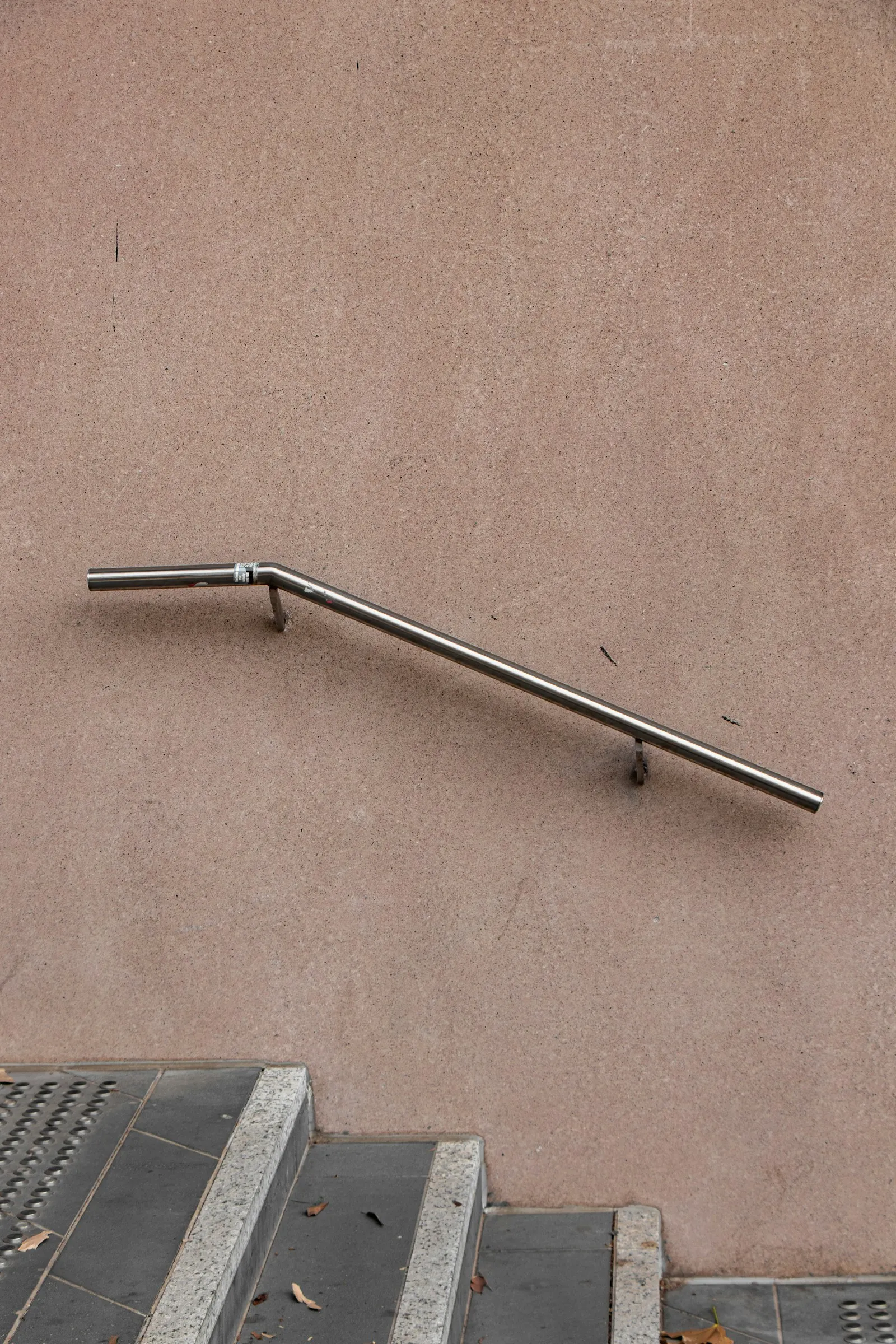
Staying safe at home becomes more important with age, after an injury or surgery, or for people living with disability. Simple changes, such as a grab rail beside the toilet, a rail in the shower or a handrail beside the back steps, can prevent falls and help people stay independent in their own homes.
We install grab rails, handrails and other minor safety modifications in homes across Cranbourne and the surrounding suburbs and semi-rural areas. We install rails securely, at sensible heights, and in the positions recommended by the person’s occupational therapist where there is one.
What we install
- Grab rails beside toilets
- Grab rails in showers and beside baths
- Rails at entries, steps and doorways
- Handrails on internal and external steps
- Fold-down shower seats where suitable
- Lever-style door handles to replace knobs
- Lever tap handles where plumbing allows (with a licensed plumber where required)
- Removal of minor trip hazards such as raised thresholds where practical
- Night lights and battery-powered motion lights in hallways
- Raised toilet seats and other freestanding aids assembly
Larger modifications such as ramps, shower-base removal, widening doorways and full bathroom renovations need registered builders or specialist home modification providers.
Why secure fixing matters
A grab rail has one job: to hold someone’s full weight when they slip or need support. A rail that pulls out of the wall can make a fall worse. That is why grab rails must be fixed into solid framing, masonry or purpose-installed noggings, never just plasterboard.
On tiled walls, we drill carefully through the tiles and fix into the framing or noggings behind. Where no framing exists in the right place, we use specialist fixings designed for grab rails on hollow walls, provided they are rated for the load, or discuss alternative positions.
Working with occupational therapists
Occupational therapists (OTs) assess a person’s needs and recommend rail types, lengths and positions. If an OT has done an assessment, please share their report. We install to their specifications. If there is no assessment, we can install rails at commonly used positions, but we recommend an OT assessment for anyone with significant mobility needs.
Funding
Some people are eligible for help with home modifications through government programs, such as the Commonwealth Home Support Programme, Home Care Packages, the NDIS, or programs for veterans. Each has its own rules about assessments, approved providers and paperwork. We can provide written quotes and invoices with clear descriptions of the work. Check with your provider or plan manager about what is required before booking.
Shower and bath rails
Showers are where most bathroom falls happen. Wet tiles, soap and stepping over a hob all add risk. Common rail positions include:
- A vertical rail near the shower entry to hold when stepping in and out
- A horizontal rail on the wall opposite or beside the shower rose for balance
- An angled or L-shaped rail near a shower seat
For baths, rails help with getting in and out and with sitting down and standing up.
Toilet rails
Getting on and off the toilet takes leg strength and balance. A rail on the side wall, or a fold-down rail where there is no wall, makes this safer. Toilet frames and raised seats are freestanding alternatives.
Steps and entries
Entries are another common fall point. Back steps, porches and patio steps around Cranbourne homes are often built without rails. A sturdy handrail on one or both sides of steps makes a big difference. Outdoors, we use galvanised or stainless steel rails and fixings suited to weather. See also deck and pergola repairs.
Simple changes that help
Small changes can make a home safer:
- Swapping round knobs for lever handles that are easier to use with arthritis
- Adding night lights between the bedroom and bathroom
- Securing loose rugs and mats or removing them
- Fixing loose floor coverings and lifting edges
- Improving lighting at steps and entries
- Moving frequently used items to accessible heights
Choosing the right rail
Grab rails come in different shapes, lengths, materials and finishes. The right choice depends on where it goes and who uses it.
- Straight rails are the most common and suit toilets, showers and entries.
- Angled rails help people pull up from sitting, especially beside toilets.
- L-shaped rails combine horizontal and vertical support, useful in showers.
- Fold-down rails suit toilets without a side wall and fold out of the way when not in use.
- Floor-to-ceiling poles give support beside beds and chairs.
Stainless steel rails are durable and suit bathrooms. Rails with a textured or knurled grip help wet hands. Coloured rails contrast with walls and are easier to see for people with low vision. Rail diameter should be comfortable to grip; standard rails are around 32 mm.
Rail heights
Australian Standard AS 1428.1 sets dimensions for accessible facilities in public buildings, and its guidance on rail heights is often used as a reference at home. In a private home, however, the best height is the one that suits the person using it. An OT can measure and recommend positions based on the person’s height, mobility and the tasks involved. Where there is no OT advice, we discuss common heights and position rails to suit the person, testing grip positions before drilling.
Steps and external access
Falls on steps are a common cause of injury for older people. External steps at front and back doors are often exposed to rain and leaf litter. Improvements include:
- Handrails on both sides of steps
- Contrasting strips on step edges so each step is easy to see
- Non-slip treads or coatings
- Better lighting, including motion-sensor lights
- Repairing uneven or cracked steps and pavers
On rural properties around Lang Lang, Koo Wee Rup and Devon Meadows, paths to sheds, clotheslines and car parking areas may also need rails or improvements.
Bedrooms
Getting in and out of bed can become difficult with age or after surgery. Bed rails, floor-to-ceiling poles, and good night lighting help. Furniture can also be rearranged to create clear paths to the bathroom. We can assemble and install bed sticks and freestanding aids.
After hospital
People returning home after surgery or a hospital stay often need quick, temporary changes, such as a rail beside the toilet, a shower chair, a raised toilet seat and clear walkways. Hospital OTs may provide a list of recommended changes. We can work to that list and install rails at short notice where possible, so the home is ready for discharge.
Dementia-friendly changes
For people living with dementia, contrasting colours, clear signage, good lighting and simple door hardware can help with orientation and safety. Lever handles, contrasting toilet seats and grab rails can be fitted to support independence. Dementia Australia provides guidance on dementia-friendly homes.
Renters and modifications
In Victoria, renters can ask their rental provider for consent to make modifications, and for some modifications the law limits when consent can be refused. Rules change, so check Consumer Affairs Victoria for the current position. We can provide written descriptions of the work to support a request.
Discreet design
Some people worry that rails will make a home look like a hospital. Modern rails come in finishes that match tapware, and some double as towel rails or shelves. Careful placement and matching finishes can make rails look like part of the bathroom design.
Removal and reinstatement
When rails are no longer needed or a property is sold, we can remove them and patch walls or replace tiles where spares are available.
Our approach
We work at the pace of the person we are helping. We explain what we are doing, ask before moving furniture or personal items, and keep the home tidy and safe during the visit, with no tools or cords left where they could cause a trip. Where a family member or carer coordinates the work, we can communicate with them as well. For people who are anxious about trades in the home, we keep visits short and focused.
Checklist for a safer home
- Rails beside the toilet and in the shower
- Non-slip mats in the shower and bath
- A shower seat or chair if standing is difficult
- Night lights from bedroom to bathroom
- Lever door handles and taps
- Handrails at all steps, inside and out
- Clear walkways without loose rugs or cords
- Frequently used items stored between waist and shoulder height
- Smoke alarms tested and easy to reach for testing
- Good lighting at entries and steps
Safety in shared homes
When an older person lives with family, everyone in the household uses the same bathroom. Rails positioned well help everyone, including children and pregnant family members. A rail at the shower entry is useful for anyone stepping over a hob on a wet floor.
Quotes and paperwork for funded work
For funded work, we provide a written quote describing each rail or item, its location and the fixing method. After installation, we can supply photos and an invoice matching the quote, which helps providers and plan managers process payment. Check with your provider whether they need a quote before work is approved.
Where we work
We install rails and safety modifications across Cranbourne, Cranbourne South, Cranbourne North, Koo Wee Rup, Lang Lang, Devon Meadows and our other service areas. Share OT recommendations and photos through our quote form.
Frequently asked questions
Can grab rails be fixed into plasterboard?
Not into plasterboard alone. They must go into framing, noggings or masonry, or use specialist fixings rated for the load.
Do I need an OT assessment?
It is recommended, especially for significant mobility needs. We install to OT specifications when available.
Can you drill through bathroom tiles?
Yes. We drill carefully and fix into the framing or noggings behind the tiles.
Can I get funding for rails?
Some programs help with home modifications. Check with your provider or plan manager about their requirements.
Do you build ramps?
Large modifications like ramps need a registered builder or specialist modification provider.
What height should grab rails be?
The best height suits the person using it. OTs recommend positions; AS 1428.1 is often used as a reference.
Can you install rails before someone comes home from hospital?
Yes, where possible we work to the hospital OT’s list so the home is ready.
Do rails make the bathroom look clinical?
Not necessarily. Modern rails come in finishes that match tapware, and some double as towel rails.
Can you provide paperwork for my provider?
Yes. We provide written quotes, photos and invoices describing each item and its location.
Get a free quote
Send us your list of jobs, your suburb and a few photos. We will reply with a clear written scope and a free, no-obligation quote.
Get a free quote