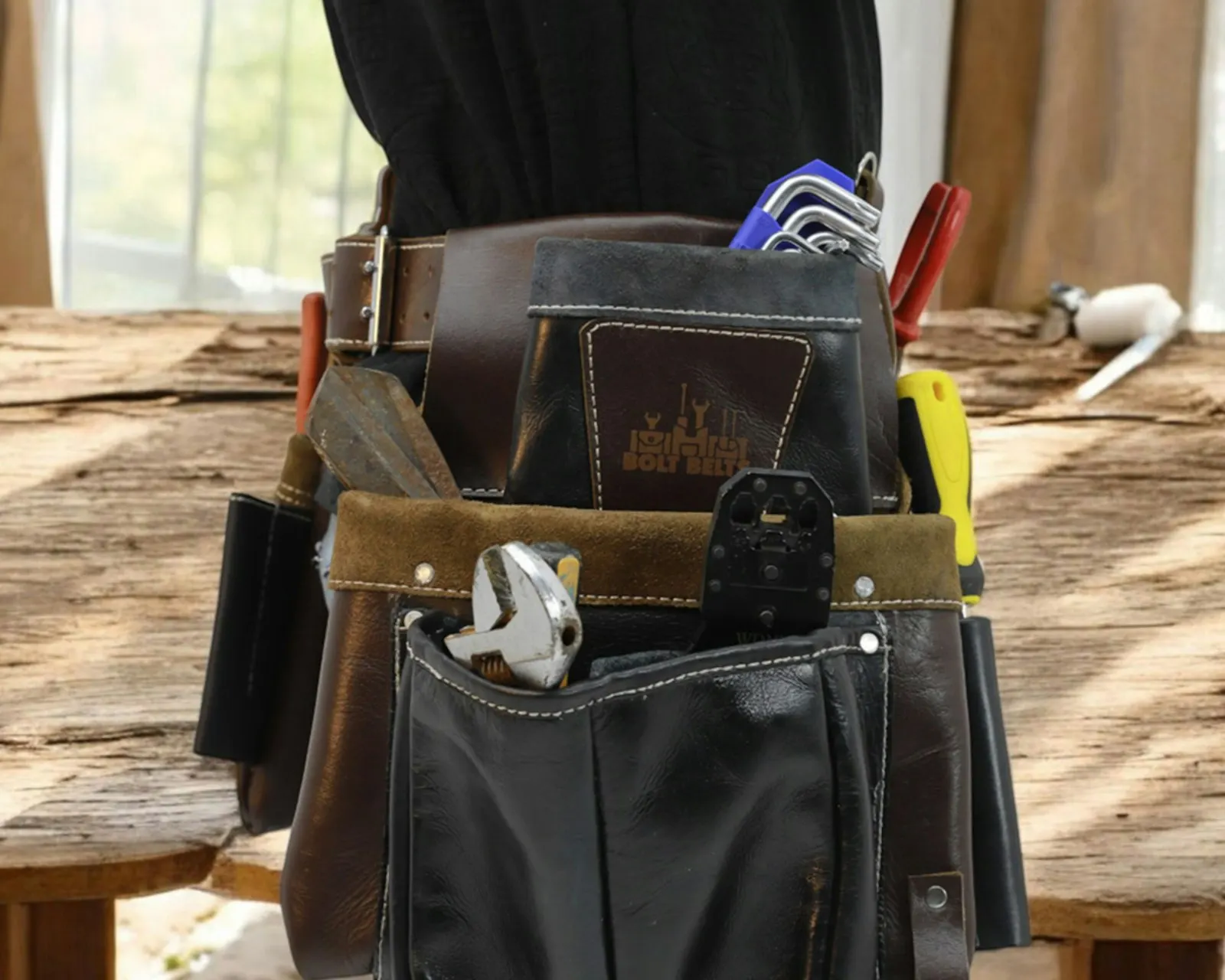
Most homes in Cranbourne and the surrounding estates do not need a builder. They need someone who can turn up with the right tools, work through a list of small faults and leave the place working properly again. That is what general home repairs means to us: the everyday fixes that are too small to interest a specialist trade but too fiddly, too high or too time-consuming to tackle on a weekend.
A typical list might include a cupboard door that has dropped, a towel rail that has pulled out of the plaster, a fly screen with a torn mesh, a back gate that will not latch, a cracked tile near the laundry door and a hole where a doorhandle has punched through the wall. Each of these is a short job on its own. Together they make a solid half day or full day of work, and getting them all done in one visit is far more efficient than chasing several different trades.
Why repair lists build up in the Cranbourne area
The City of Casey has been one of the fastest-growing municipalities in Victoria for years, and much of that growth has happened around Cranbourne. Estates in Cranbourne North, Cranbourne East, Cranbourne West, Clyde and Clyde North have filled up with homes built in the last ten to twenty years, while older parts of Cranbourne and the semi-rural pockets around Devon Meadows, Lang Lang and Koo Wee Rup hold houses that are thirty, forty or fifty years old.
Both groups produce repair lists, just different ones.
Newer homes often show the small settling issues that come with volume building: doors that start to bind once the frame moves, hairline cracks at cornices and above door frames, silicone that shrinks away from the bath, and hardware that was fitted quickly and now works loose. Builders’ warranty periods have usually ended by the time these become annoying, so owners are left to organise the fixes themselves.
Older homes show wear. Timber window sills soften, door hinges sag, gates drop on their posts, skirting boards come away, kitchen hinges strip out of chipboard and bathroom grout darkens and cracks. None of this is unusual. It is simply what happens to a house that has been lived in for a few decades.
What general home repairs covers
We keep the scope practical. If it is a non-structural repair inside or around the house and it does not need a licensed electrician, plumber or gas fitter, there is a good chance we can do it. Common requests include:
- Re-hanging and adjusting doors that stick, swing open or will not latch
- Replacing door handles, locks, door stops, hinges and closers
- Patching holes and dents in plasterboard and touching up the paint
- Re-fixing towel rails, toilet roll holders, hooks and shelves that have pulled loose
- Tightening or replacing cupboard hinges and drawer runners
- Re-fixing loose skirting boards, architraves and trims
- Repairing or replacing fly screen mesh and screen doors
- Re-siliconing around baths, showers, basins and kitchen benches
- Replacing broken or cracked tiles where matching tiles are available
- Adjusting gates, fixing loose palings and replacing latches
- Installing curtain rods, blinds, hooks, mirrors and artwork
- Fitting child-safety latches, door stops and window restrictors
The list could go on. If something is on your mind and you are not sure whether it counts, put it in your quote request and we will tell you honestly whether it fits.
What we leave to licensed trades
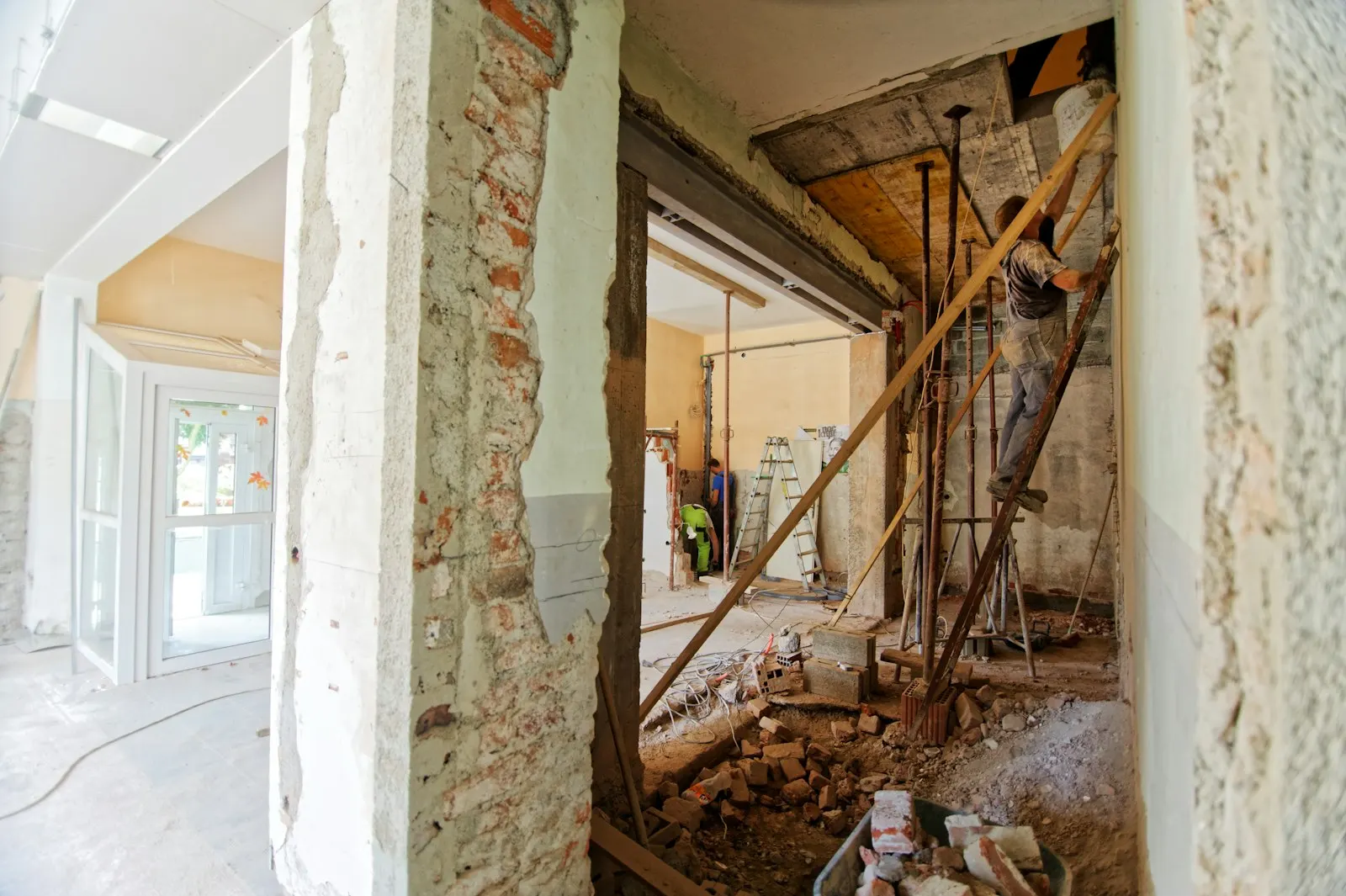
Some jobs look small but legally need a licensed tradesperson. In Victoria, that includes most electrical work, such as adding power points, moving switches or hard-wiring lights, and most plumbing and gas work, such as moving taps, replacing hot water systems or altering drainage. We will not attempt those jobs, and we will tell you clearly if anything on your list falls into those categories so you can book the right trade. Structural work, such as removing walls or altering roof framing, needs a registered building practitioner and is also outside our scope.
Being clear about this protects you. Insurance, warranties and safety all depend on regulated work being done by the right person.
How a repair visit usually runs
Every job starts with a written quote. You send us your list through the quote form, ideally with photos and a rough idea of sizes, and we come back with any questions and a clear written scope. Once you are happy with the scope, we book a time.
On the day, we arrive with a vehicle stocked for the type of work on your list. Common fixings, fillers, sealants, hinges and screws travel with us. Anything specialised, such as a particular door handle finish or a specific tile, is either sourced beforehand or agreed with you in advance.
We work through the list in a sensible order. Messy jobs such as sanding plaster happen first so dust settles before we touch paint or silicone. Jobs that need curing time, such as filler or sealant, are started early so they can be finished before we leave where possible. We put down drop sheets, keep tools contained and clean up at the end of each task rather than leaving it all to the last minute.
Before we go, we walk through the list with you, show you what has been done and point out anything that needs attention later, such as silicone that should be left alone for 24 hours or a paint touch-up that will need a second coat.
Making the most of a single visit
The best value from a handyman comes from grouping work. A few tips:
- Walk through each room with a notepad and write down everything that bothers you, however small.
- Check outside too: gates, fences, fly screens, letterboxes, clothesline fixings and downpipe brackets.
- Take photos of each item. A close-up and a wider shot help us understand the problem and the surroundings.
- Note anything you have already bought, such as a new tap handle or curtain rod, so we can plan around it.
- Mention access: two-storey ceilings, tight laundries, steep blocks and pets all affect how we plan the day.
A clear list helps us quote accurately and arrive with the right gear, which means fewer surprises and fewer return trips.
Repairs for different types of property
Owner-occupied homes
Most of our general repair work is for people living in their own homes. Some are new to the area and finding the small faults that every house has. Others have lived in Cranbourne for decades and want to keep the place in good order. Either way, the aim is the same: tidy, durable fixes that you do not have to think about again.
Rentals and investment properties
Landlords and property managers across Cranbourne, Clyde North and Botanic Ridge use general repair visits to deal with maintenance requests and routine inspection notes. We can work from a property manager’s report, coordinate access with tenants and provide a written summary of what was done. Our property managers page explains how that works.
Small businesses
Shops, offices and clinics need repairs too. Loose door closers, damaged plaster in a corridor, broken signage brackets and worn kick plates are all common. See our commercial handyman page for more detail.
Common repairs in more detail
Doors that will not close properly
A door that sticks, drifts open or will not latch is one of the most common reasons people call a handyman. The cause is usually one of a few things: hinge screws that have worked loose, a frame that has shifted slightly, a strike plate that no longer lines up with the latch, or a door that has swollen in damp weather. We find the cause rather than just planing the edge, because planing a door that only needs its hinges tightened weakens the door and leaves bare timber exposed. Our door repairs page goes into this in more depth.
Holes and dents in walls
Door handles, furniture, kids and removals all leave marks in plasterboard. Small dents can be filled and sanded. Larger holes need a backing piece or a plasterboard patch, then setting compound in several coats. The final step is paint, and matching the existing colour and sheen matters just as much as the patch itself. See plaster and wall patching.
Loose fittings in bathrooms
Towel rails, toilet roll holders and shower shelves often pull out because they were fixed with plastic plugs into plasterboard with nothing behind it. We re-fix them using suitable wall anchors, or move them slightly to land on a stud, so they stay put. Details are on our bathroom fixtures page.
Outdoor odds and ends
Gates that drag, palings that have blown off, loose letterboxes and clothesline brackets are all general repair jobs. Many properties around Devon Meadows, Clyde and Koo Wee Rup have larger blocks with long fence lines and multiple gates, so outdoor fixes can add up quickly.
Materials and finish
We use hardware and materials suited to Victorian conditions. Outdoor fixings are galvanised or stainless steel so they do not rust and stain. Sealants are chosen for the area they go into, such as mould-resistant silicone for wet areas and paintable sealant for trims. Where a part needs replacing, we match the existing finish as closely as possible or discuss options with you first.
We are honest about matching. Older tiles, discontinued door hardware and faded paint can be hard to match exactly. If a perfect match is not possible, we explain the options before we start, such as replacing a full set of handles in one room rather than one at a time.
Safety and tidiness
Working safely matters in homes where people live. We use proper ladders and platforms for height work, keep tools out of reach of children and pets and secure work areas when we step away. Power tools are kept in good condition, and dust-producing work is contained as much as practical.
At the end of the visit, the work areas are left clean. Offcuts, packaging and old parts are removed unless you want to keep them.
Booking general repairs in Cranbourne and nearby
We cover Cranbourne and its neighbouring suburbs: Cranbourne North, Cranbourne East, Cranbourne West, Cranbourne South, Clyde, Clyde North, Botanic Ridge, Devon Meadows, Lang Lang and Koo Wee Rup. See the full service areas page for more.
To get started, send your list through our free quote form. Photos help, and so does a short note about when you are usually home.
Frequently asked questions
What counts as a general home repair?
Non-structural fixes around the house that do not need a licensed electrician, plumber or gas fitter: doors, hinges, handles, plaster patches, loose fittings, fly screens, silicone, gates and similar jobs.
Can you do several small jobs in one visit?
Yes, and that is usually the best way to book. Send the whole list and we will quote it as one visit where practical.
Do you supply the parts?
We carry common fixings and consumables. Specific items such as matching handles or tiles are sourced beforehand or you can supply them. We confirm this in the written quote.
Do you do electrical or plumbing repairs?
No. Those need licensed trades in Victoria. We will flag anything on your list that needs one.
How do I get a quote?
Use our quote form, list each job and attach photos if you can. We will reply with questions or a written quote.
Get a free quote
Send us your list of jobs, your suburb and a few photos. We will reply with a clear written scope and a free, no-obligation quote.
Get a free quote