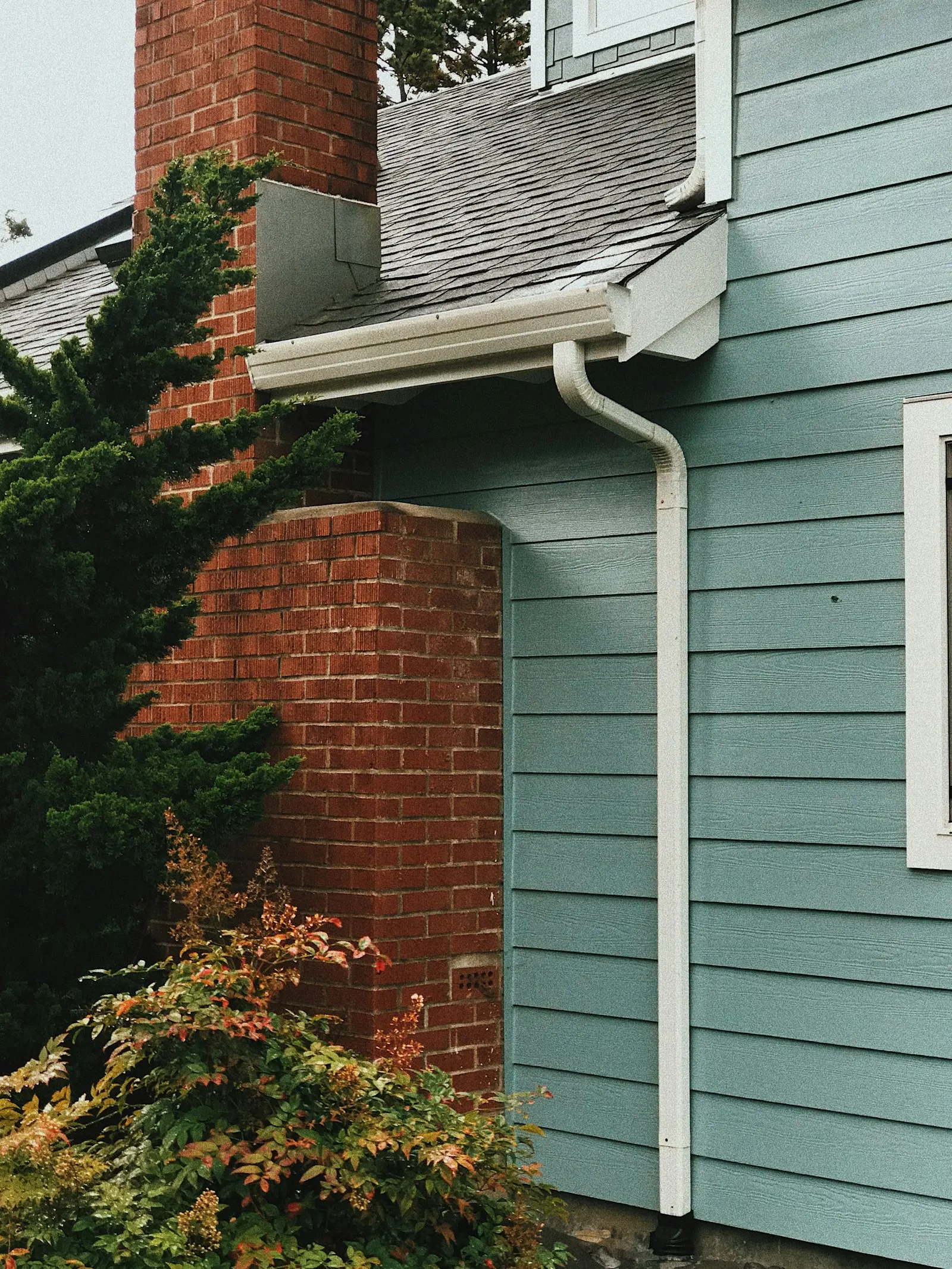
Gutters do a quiet but vital job. They collect rain from the roof and send it to the downpipes and stormwater system, away from your walls, eaves and foundations. When gutters block, water overflows along the fascia, soaks the eaves, pools against the house and can find its way inside. Around Cranbourne, where clay soils move with moisture changes, water dumped next to the slab is the last thing you want.
We clean gutters on single-storey homes and small buildings across Cranbourne and the surrounding suburbs and semi-rural areas, check that downpipes are flowing, and report any damage we find.
What our gutter cleaning includes
- Removing leaves, twigs, silt and debris from gutters by hand and with gutter tools
- Bagging debris for green waste or removal
- Flushing gutters with water to check flow towards downpipes
- Checking downpipe outlets and clearing simple blockages at the top of the downpipe
- Looking for sagging gutters, loose brackets, rust holes and leaking joints
- Photos of anything that needs further attention
- Tidying up any debris that falls on paths and garden beds
Why gutters block around Cranbourne
Every street is different, but common causes include:
- Established trees. Older parts of Cranbourne, Cranbourne South and Devon Meadows have big eucalypts and other trees that drop leaves, bark and gum nuts all year.
- Wind-blown debris. Open, windy country around Clyde, Lang Lang and Koo Wee Rup carries leaves and grass from paddocks and reserves onto roofs.
- Silt and roof grit. Concrete roof tiles shed fine grit over time that settles as sludge.
- Bird nests. Birds nest in gutters and box gutters, particularly in spring.
- Shallow falls. Some gutters have very little slope, so water and debris sit rather than flow.
How often to clean gutters
For most homes, cleaning once or twice a year is enough. Homes surrounded by trees may need cleaning every few months. Good times to clean are late autumn after leaves drop and before winter rain, and again before summer to reduce fire risk from dry leaves. In bushfire-prone parts of Cardinia Shire, keeping gutters clear before the fire season is an important part of property preparation.
Signs your gutters need cleaning
- Water spilling over the gutter edge during rain
- Plants or grass growing in the gutter
- Stains or streaks on the fascia or walls below the gutter
- Damp patches or peeling paint on eaves
- Water pooling near the base of walls
- Downpipes that stay dry while gutters overflow
Height and safety
We clean gutters on single-storey homes that can be safely reached by ladder, using appropriate ladders, stand-offs and safe work practices. Double-storey roofs, steep roofs and roofs with fragile surfaces need specialist height safety equipment and are best handled by a roof plumber or specialist gutter cleaner. If your home is double storey, we will tell you upfront and suggest you contact a specialist.
We do not walk on fragile roofs, and we stop work in wet or windy weather.

Downpipes and stormwater
A clean gutter does not help if the downpipe is blocked. We check that water flows freely down each downpipe and clear simple blockages near the top. If water backs up from the stormwater pipes underground, the blockage is in the drain, and a licensed plumber with drain-clearing equipment is needed. We will tell you if that is the case.
Gutter guards
Gutter guards and mesh help keep out leaves but are not maintenance-free. Fine debris and silt still collect under mesh and need clearing. Where guards are installed, we can remove sections, clean the gutter and refit them. We can also talk through whether gutter guard is worth installing on your home.
Repairs we can do
While cleaning, we often find small problems. Within our scope, we can:
- Re-fix loose gutter brackets
- Seal small leaks at joints with suitable gutter sealant
- Re-attach downpipes that have come loose from the wall
- Replace short lengths of downpipe
Larger work, such as replacing gutters, re-falling long runs, fixing box gutters or anything connected to roof plumbing, needs a licensed roof plumber. We will give you photos and notes so you can get it quoted.
After cleaning
A quick hose test confirms gutters are draining towards the downpipes. We leave paths swept and debris bagged. If you are a landlord or property manager, photos of the before and after condition can be added to your maintenance records. See property maintenance for scheduled visits.
Understanding your gutter system
A roof drainage system has several parts, and problems can start in any of them.
- Eaves gutters run along the edge of the roof and collect water from the roof sheets or tiles.
- Box gutters sit within the roof, often between two roof sections or behind a parapet. They are less common on single-storey homes but appear in some designs.
- Rain heads and sumps collect water from box gutters and feed downpipes.
- Downpipes carry water to the ground.
- Stormwater drains take water underground to the street or to a legal point of discharge.
- Rainwater tanks on many homes, especially on rural blocks, collect water from downpipes before overflow goes to the drain.
Gutters work properly only when every part is clear. We focus on the eaves gutters and the tops of downpipes on single-storey homes.
Tank water and first-flush diverters
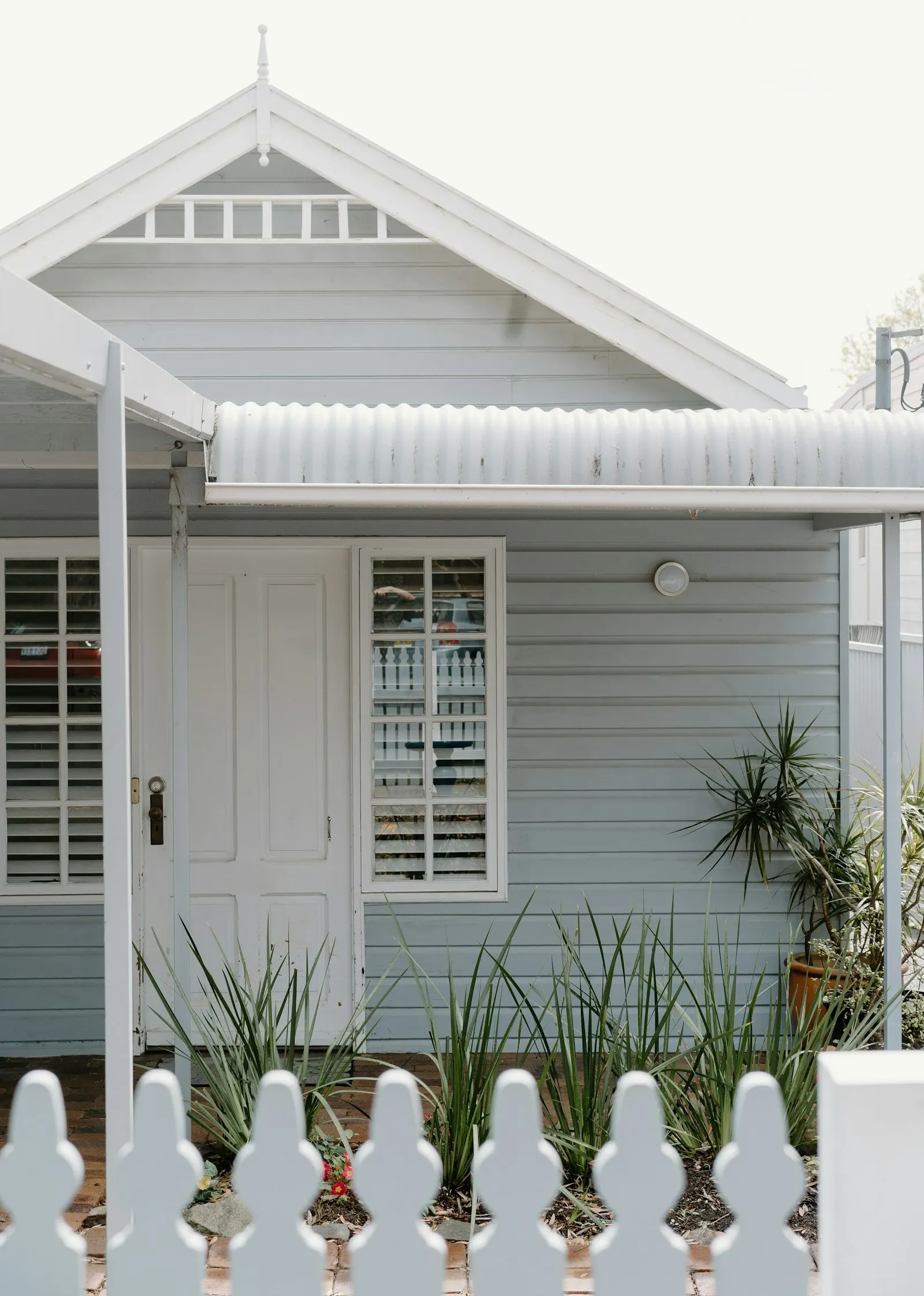
Many properties in Devon Meadows, Cranbourne South, Lang Lang and Koo Wee Rup depend on rainwater tanks, and many newer homes in the estates have a tank plumbed to toilets and the laundry. Clean gutters mean cleaner tank water. First-flush diverters and leaf screens on downpipes help keep debris out of the tank, but they need clearing too. While we are cleaning gutters, we can check and clear leaf screens at downpipe inlets and tell you if diverters look blocked. Tank cleaning and plumbing work to tanks and pumps should be done by a plumber or a tank specialist.
What overflowing gutters can do
Gutter overflow is not just untidy. It can cause:
- Eave damage. Water soaks the timber or fibre cement eave lining, leading to staining, swelling and rot.
- Fascia rot. Timber fascias behind gutters rot when water sits against them.
- Internal leaks. In heavy rain, water can back up under roof tiles or flow over the back of the gutter into the roof space and ceiling.
- Foundation movement. Water dumped beside the slab on reactive clay causes uneven swelling and shrinkage, which can crack walls and stick doors.
- Mosquito breeding. Standing water in blocked gutters breeds mosquitoes, which are already common near the wetlands and drains around Cranbourne and Koo Wee Rup.
- Fire risk. Dry leaves in gutters can catch embers during bushfires.
Gutter cleaning and bushfire preparation
Parts of the area, particularly the rural and bushland fringes in Cardinia Shire and some areas near Cranbourne South and Devon Meadows, are classified as bushfire-prone. Embers can travel ahead of a fire front and land in gutters full of dry leaves. Clearing gutters before summer is one of the simple actions recommended by fire authorities. Metal gutter guard designed for bushfire areas helps reduce the build-up of leaves. The CFA website has guidance on preparing your property.
Signs of gutter damage we often find
- Rust holes in older galvanised steel gutters, often where leaves sat wet for years
- Sagging sections where brackets have rusted or pulled away from the fascia
- Leaking joints at corners and stop ends where sealant has failed
- Back-falling gutters that slope away from the downpipe and hold water
- Damaged downpipe connections where pipes have been knocked or have come apart
We photograph these and explain what we see. Small items can often be repaired on the spot. Larger problems need a roof plumber.
How we leave your property
Gutter cleaning is messy. We protect paths and garden beds where possible, bag debris as we go and sweep up afterwards. Debris can go in your green waste bin if there is room, or we can take it away. Gutter sludge with roof grit is better kept out of garden beds, as it can contain fine particles from tiles and paint.

Gutter cleaning for landlords
In Victoria, keeping gutters clear is generally treated as part of the landlord’s maintenance responsibility for many rentals, although lease terms and the type of property matter. Regular cleaning protects the property and avoids urgent repair requests during winter storms. We can schedule cleaning for rental properties and send photos to property managers.
Doing it yourself
If you clean your own gutters, use a stable ladder on firm, level ground, have someone with you to hold it, wear gloves and eye protection, and never lean out sideways. Do not walk on the roof. Most ladder falls happen at low heights during routine tasks, and gutter cleaning is one of the most common causes.
Timing around the weather
We schedule gutter cleaning for dry days. Wet roofs and ladders are dangerous, and wet debris is heavy and smears. After a big storm, demand for gutter work rises, so booking before the wetter months is the best way to avoid waiting. If you notice gutters overflowing in the first autumn downpour, that is the signal to book.
Where we clean gutters
We clean gutters across Cranbourne, Cranbourne South, Devon Meadows, Lang Lang, Koo Wee Rup, Botanic Ridge and our other service areas. Tell us if your home is single or double storey and whether there are trees overhanging the roof when you request a quote.
Frequently asked questions
Do you clean double-storey gutters?
No. We clean single-storey gutters reachable safely by ladder. Double-storey homes are best handled by a specialist with height safety equipment.
How often should gutters be cleaned?
Usually once or twice a year, more often if trees overhang the roof.
Can you clear blocked downpipes?
We clear simple blockages at the top of downpipes. Blockages in underground stormwater need a licensed plumber.
Do gutter guards stop the need for cleaning?
They reduce it but do not eliminate it. Fine debris still builds up and needs periodic clearing.
Can you fix a leaking gutter joint?
Small leaks at joints can often be sealed. Larger repairs need a licensed roof plumber.
Can you check my rainwater tank leaf screens?
Yes. While cleaning gutters, we can clear leaf screens at downpipe inlets and tell you if diverters look blocked.
Is gutter cleaning part of bushfire preparation?
Yes. Clearing dry leaves from gutters before summer is a recommended step in bushfire-prone areas.
When is the best time to book?
Late autumn after leaf fall, and again before summer. Booking before the wetter months avoids storm-season waits.
Get a free quote
Send us your list of jobs, your suburb and a few photos. We will reply with a clear written scope and a free, no-obligation quote.
Get a free quote