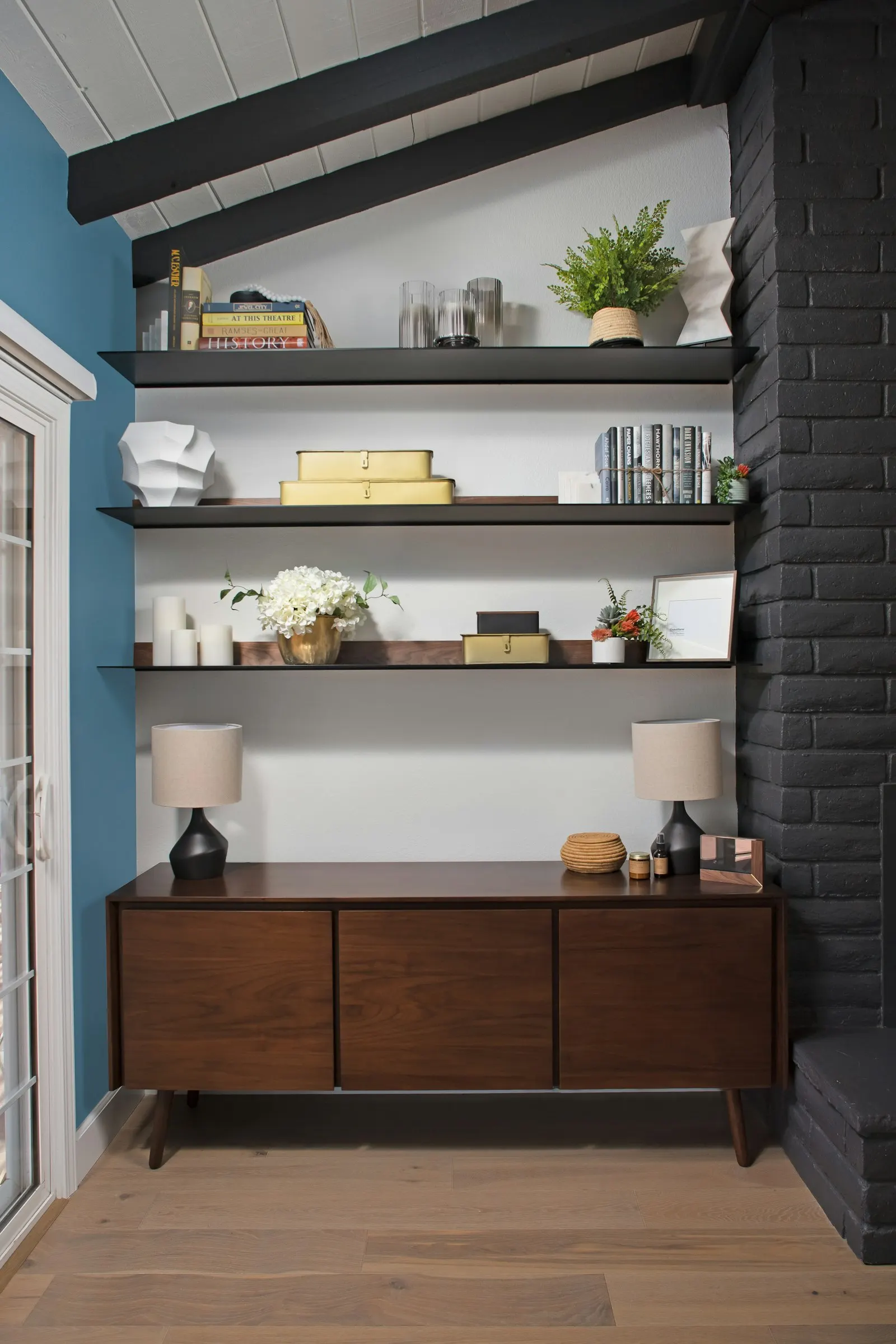
Hanging things on walls looks simple until you try it. Finding studs, choosing the right anchor, getting a row of frames level and spaced evenly, or fixing a heavy mirror so it will never come down, all take skill and the right tools. A mirror or shelf that falls is not only frustrating; it can break and injure someone.
We hang pictures, mirrors, shelves, curtain rods, blinds and other wall-mounted items in homes and businesses across Cranbourne and the surrounding suburbs. Everything is fixed level, at a sensible height, and with fixings suited to the weight and the wall.
What we hang and fix
- Framed art, canvases and prints
- Gallery walls and groups of frames
- Large and heavy mirrors
- Floating shelves and bracket shelves
- Bookshelves and wall-mounted storage
- Curtain rods, tracks and blinds
- Coat hooks, key racks and hall organisers
- Wall-mounted bike racks and garage storage
- Clocks, signs and memorabilia displays
- Whiteboards, pinboards and noticeboards
- Kids’ room shelving and wall storage
Fixing into different walls
The wall decides the fixing.
Plasterboard
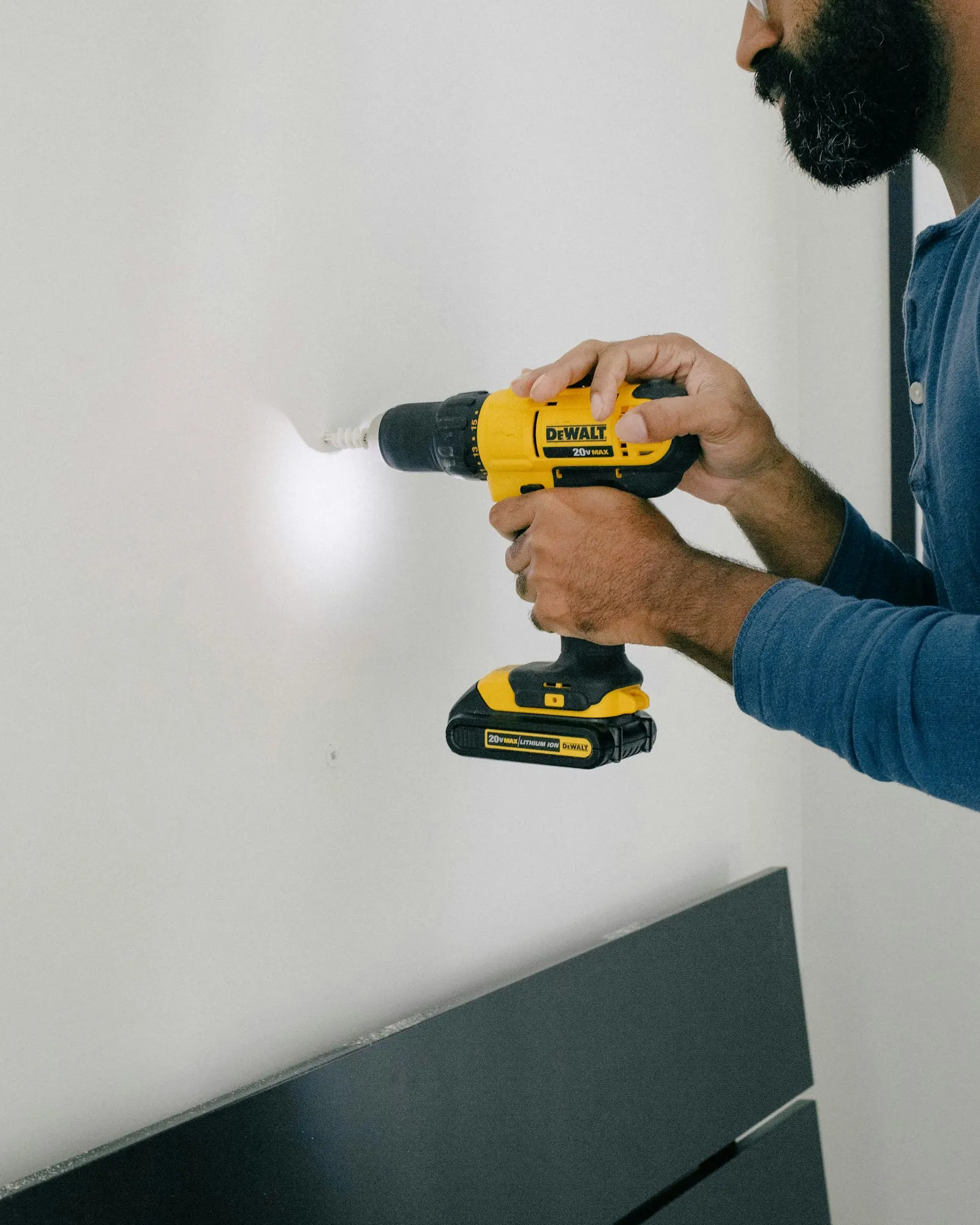
Most internal walls in Cranbourne homes are plasterboard over timber or steel studs. Light items can be hung with picture hooks or small plasterboard anchors. Medium and heavy items need either a fixing into a stud or a heavy-duty hollow-wall anchor designed for the load. We use a stud finder and test holes to locate framing, then pick the fixing that suits the item and position.
Brick and masonry
Brick, block and concrete walls are strong but need masonry drill bits and suitable anchors. We drill into the brick face rather than the mortar joint where possible, because mortar can crumble.
Tiles
Hanging items on tiled walls, such as in bathrooms and kitchens, needs special tile drill bits and care to avoid cracking. We mark carefully, use masking tape to stop the drill wandering and drill slowly.
Feature walls and cladding
Some homes have timber panelling, VJ boards or decorative cladding. We check what is behind the surface before fixing anything heavy.
Heavy mirrors
Large mirrors are among the heaviest items people hang. A full-length or oversized mirror needs strong fixings, ideally into studs or masonry, and a hanging method that suits the frame, such as a French cleat, D-rings with matching hooks or mirror clips. We check the back of the mirror, decide on the method and lift it into place with care. For frameless mirrors in bathrooms, mirror clips or adhesive systems designed for mirrors are used.
Floating shelves
Floating shelves look clean because there are no visible brackets, but that means all the load is carried by a hidden bracket fixed into the wall. They must be fixed into studs or masonry and installed perfectly level. Long floating shelves need multiple fixings along their length. We tell you honestly how much load a floating shelf can carry in your wall. For heavy loads such as books, a visible-bracket shelf is often the stronger and safer option.
Gallery walls
Gallery walls take planning. A good approach is to lay the frames out on the floor first, measure the arrangement, transfer it to the wall with paper templates or painter’s tape and then hang. We keep spacing even, align the centre of the group at a comfortable viewing height and make sure every frame sits level. It helps to have the frames ready and a rough idea of the layout before we arrive.
Picture height
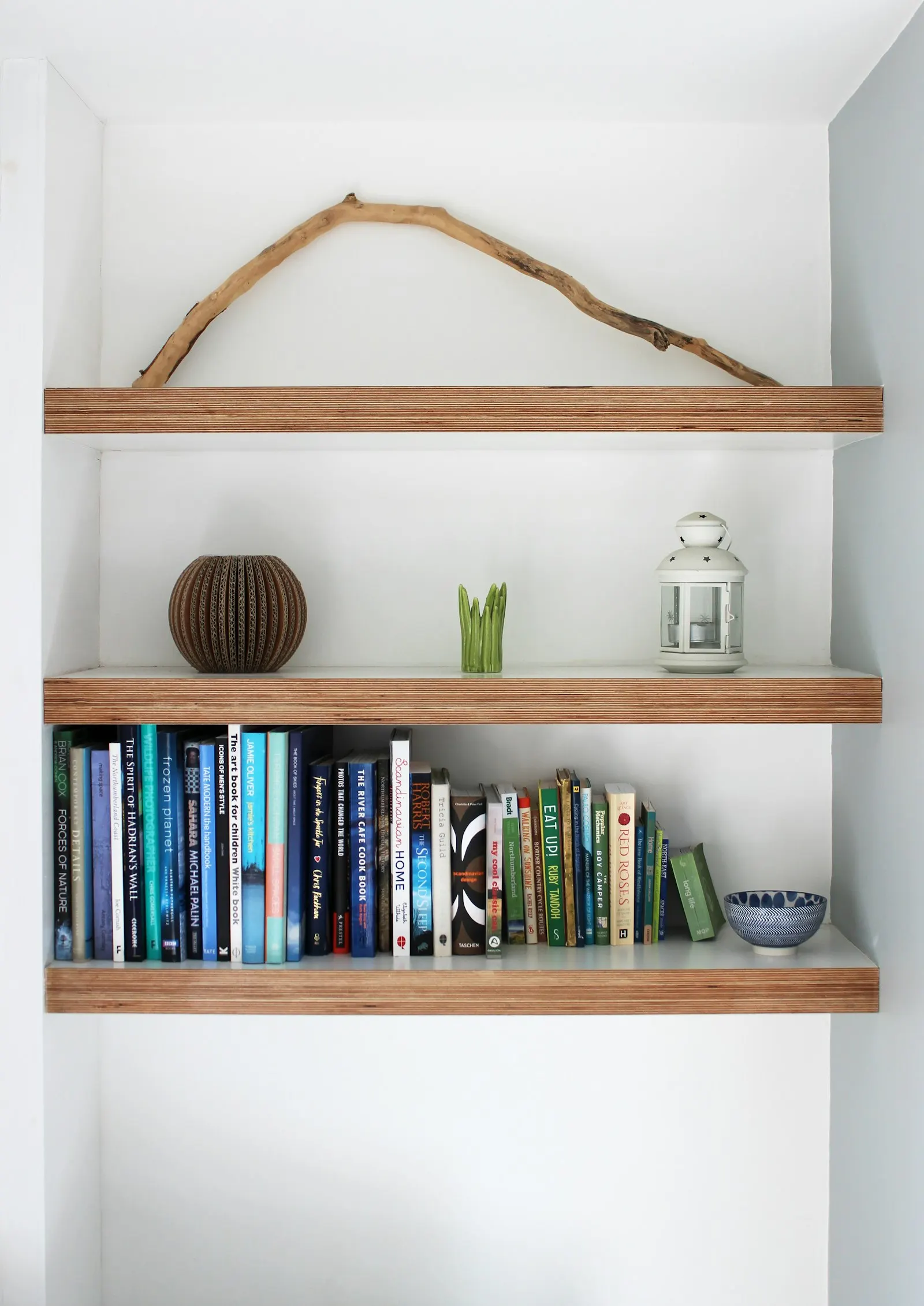
A common guideline is to hang art so its centre sits at about eye level for a standing adult. Above a couch or sideboard, the bottom of the frame should sit a little above the furniture so the two read as one group. In hallways and stairwells, frames are best aligned with the slope or kept in a consistent line.
Curtain rods and blinds
Curtain rods and blind brackets carry more load than people expect, especially with heavy block-out curtains, which are popular in Cranbourne homes to cope with hot western sun in summer and cold nights in winter. We fix brackets into the timber lintel above the window or into studs, extend rods past the window frame so curtains clear the glass when open and set heights so the curtains hang just above the floor or sill.
Garage and storage walls
Garages in newer homes in Clyde North, Cranbourne East and Cranbourne West often have plasterboard walls, which limits what can be hung. We fix rails, hooks, bike racks and shelving into the framing so they take the weight of tools, bikes and storage boxes.
Renters and wall fixings
In Victoria, renters can make certain minor modifications such as installing picture hooks or wall anchors on surfaces other than exposed brick or concrete, without consent, as long as they restore the property at the end of the tenancy where required. Rules can change, so check the current rules on the Consumer Affairs Victoria website and your lease. We can hang items for tenants, and at the end of a tenancy we can remove fixings and patch the holes. See end of lease and rental repairs.
Hiding and patching old holes
If you are rearranging rooms, we can take down existing items, patch the old holes and repaint the area before hanging things in new positions. Our plaster patching and painting touch-ups services cover this.
What to have ready
- The items you want hung, with hardware attached if supplied
- A rough plan of where things go
- Any brackets, rods or hooks you have bought
- Information on weights for heavy items, if known
Send a list and photos of the walls through our quote form. We work in Cranbourne, Cranbourne North, Clyde North, Botanic Ridge and all our service areas.
Understanding fixings and load
Every fixing has a rated load, but that rating depends on the wall, the direction of the load and how well the fixing was installed. A few key points:
- Shear load is weight pulling straight down, such as a picture on a hook. Most fixings handle shear much better than pull-out.
- Pull-out load is force pulling away from the wall, such as a shelf bracket with weight on the front edge. Shelves create leverage, so a heavy book on the front of a deep shelf pulls hard on the top screws.
- Dynamic loads, such as a coat hook that people yank or a towel rail that is leaned on, are tougher than static weight.
That is why a fixing that holds a 10 kilogram mirror perfectly may fail under a shelf loaded with 10 kilograms of books. We consider how the item will be used, not just its weight.
Common fixings explained
- Picture hooks with angled nails suit light frames on plasterboard and are easy to remove.
- Self-drilling plasterboard anchors suit light to medium items.
- Spring toggles and gravity toggles open behind the plasterboard and hold heavier items, but need a larger hole.
- Metal hollow-wall anchors expand behind the board and are strong for medium loads.
- Wood screws into studs or noggings give the strongest fixing in framed walls.
- Masonry anchors and screws suit brick, block and concrete.
- Adhesive hooks and strips suit very light items, but can damage paint when removed and fail in heat or humidity.
Finding studs
Studs in most Cranbourne homes are spaced at either 450 mm or 600 mm centres, but there are always exceptions around windows, doors and corners. Electronic stud finders help, but are not perfect. We confirm with a small test hole in a spot that will be hidden or with a fine probe. Noggings, the short horizontal timbers between studs, are useful fixing points at mid-height in many walls.
Avoiding pipes and cables
Electrical cables commonly run vertically above and below switches and power points. Water pipes run near taps, toilets and appliances. We use a detector before drilling and avoid high-risk zones. If a fixing must go near services, we discuss alternatives.
Kids’ rooms and safety
Shelves and frames in children’s rooms should be fixed securely and positioned where they cannot be used as climbing holds. Heavy frames are best avoided above beds and cots. Use safety glass or acrylic in frames where possible, and keep cords from blinds out of reach. We can fit cord cleats as part of a visit.
Art and valuable items
For valuable artwork, consider security hangers that lock the frame to the wall, or hanging systems with rails and wires that make rearranging easy. Keep art out of direct sunlight and away from bathrooms and kitchens where humidity and heat can cause damage.
Picture rail systems
Hanging rail systems mount a rail near the ceiling, with adjustable wires and hooks. They let you change and move art without drilling new holes, which suits renters, galleries, offices and people who like to rearrange. We install rails into framing so they can carry multiple frames safely.
Mirrors in hallways and entries
Large mirrors are a popular way to make narrow hallways in new homes feel bigger. They should be fixed securely at a height that suits household members, away from swinging doors. Leaning a large floor mirror against a wall is a tip-over risk; we can secure the top with a discreet strap or bracket.
Frequently asked questions
Can you hang a heavy mirror on plasterboard?
Yes, by fixing into the studs or using heavy-duty hollow-wall anchors rated for the load. We assess the mirror and wall first.
How much can a floating shelf hold?
It depends on the bracket and the wall. Fixed into studs or masonry, they hold decorative items well. For heavy books, a bracketed shelf is usually stronger.
Can you hang a gallery wall?
Yes. We lay out the arrangement, transfer it to the wall and hang each frame level with even spacing.
Can you drill into tiles?
Yes, using tile drill bits and care to avoid cracks.
Can you patch holes when I move things?
Yes. We remove old fixings, patch and touch up the paint.
Why did my shelf pull out of the wall?
Shelves create leverage, so loads pull the top fixings outwards. Fixing into studs or masonry with suitable brackets prevents this.
Can you install a picture rail?
Yes. Rails are fixed into framing and let you move art without drilling new holes.
Do adhesive hooks damage walls?
They can lift paint when removed, and they may fail in heat or humidity. For anything of value, a mechanical fixing is safer.
What height should curtains hang?
Usually just clearing the floor or the sill, with the rod extended beyond the window frame so curtains clear the glass when open.
Get a free quote
Send us your list of jobs, your suburb and a few photos. We will reply with a clear written scope and a free, no-obligation quote.
Get a free quote