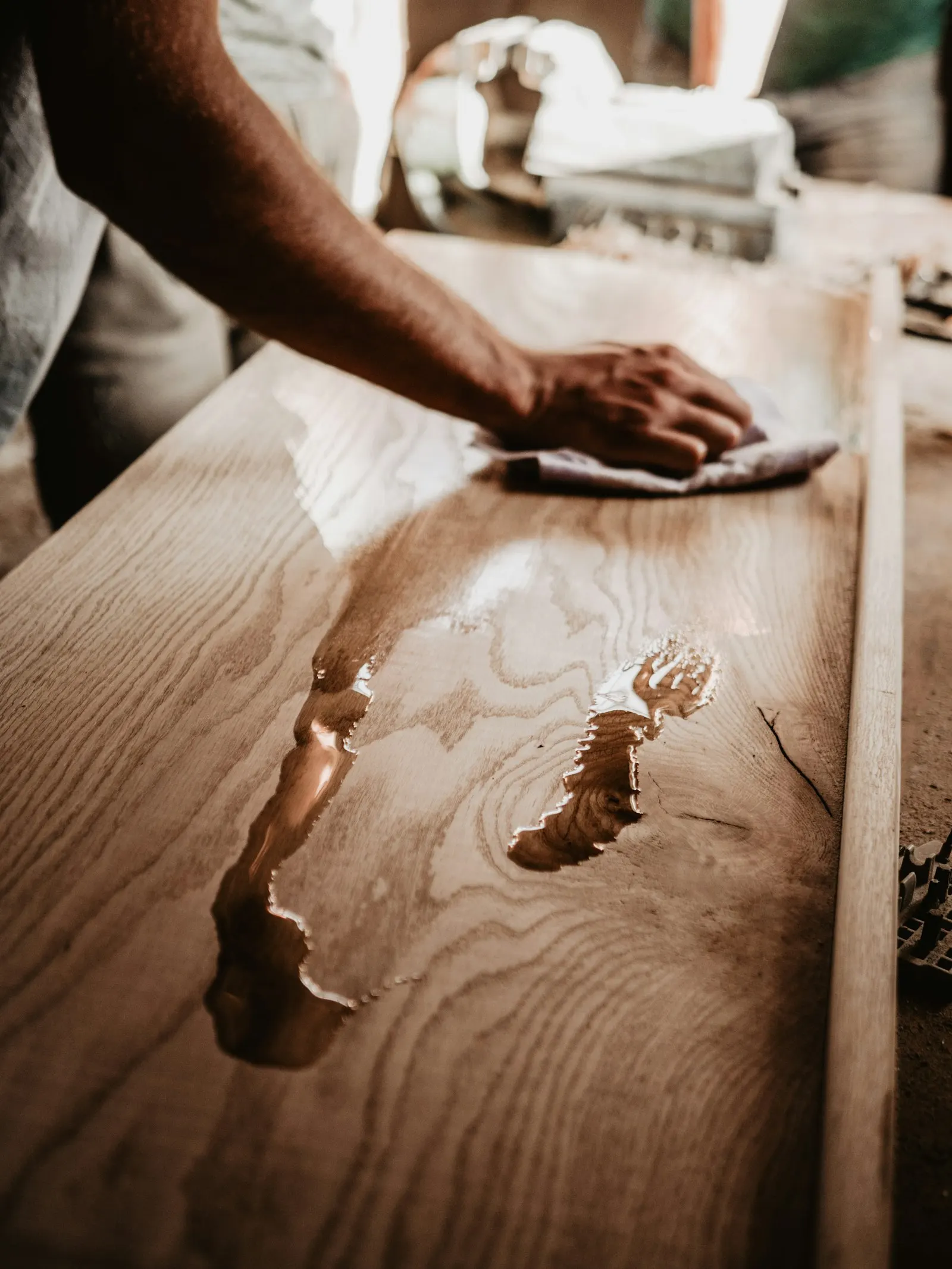
Outdoor surfaces collect dirt, mould, moss, tyre marks and grime faster than most people notice, particularly through Cranbourne’s damp winters. A driveway that looked new a few years ago can turn grey and patchy, paths become slippery with algae, and decks dull before their time. Pressure washing lifts that build-up and often makes a property look years younger.
We pressure wash driveways, paths, patios, decks, fences and other outdoor surfaces at homes and small businesses across Cranbourne and the surrounding suburbs.
What we pressure wash
- Concrete driveways and paths
- Exposed aggregate and coloured concrete
- Pavers and patio areas
- Timber decks before oiling
- Composite decking
- Brick and rendered garden walls, with care
- Colorbond and timber fences
- Outdoor furniture and barbecue areas
- Bin areas and wheelie bins
- Pergola posts and alfresco floors
- Small commercial entries and shopfronts
Choosing the right pressure
Pressure washing is not about blasting everything at maximum power. Too much pressure damages surfaces: it can etch concrete, strip the top layer from exposed aggregate, scar timber, lift paint and force water behind render. We adjust pressure, nozzle and distance to suit each surface, and on delicate surfaces we use low pressure with a cleaning solution.
Concrete
Plain concrete driveways handle relatively high pressure. A surface cleaner attachment gives an even finish without stripes. Oil stains and tyre marks may need pre-treatment and do not always come out completely, particularly if they are old.
Exposed aggregate
Exposed aggregate is common in newer estates around Clyde North, Cranbourne East and Botanic Ridge. It looks great but the surface sealer and the stones can be damaged by excessive pressure. We use a gentler approach. If the sealer has worn off, the driveway may benefit from resealing after cleaning, which is a specialist job.
Pavers
Pavers clean well, but washing can remove sand from joints. After cleaning, joints may need re-sanding to keep pavers locked and reduce weeds.
Timber decks
Timber is soft, and high pressure raises the grain and leaves furry, scarred surfaces. We use low pressure and a deck cleaner, working along the boards. Cleaning before oiling is the most common reason for washing a deck. See deck and pergola repairs.
Fences and walls
Colorbond fences respond well to gentle washing. Timber fences need low pressure. Rendered walls and painted surfaces are washed carefully to avoid lifting paint or forcing water into cracks.
Mould, moss and slippery surfaces
Shaded paths on the south side of a house, areas under trees and spots near downpipes grow algae and moss in winter. These become slippery and are a real fall risk, particularly for older people and children. Regular cleaning, and fixing the moisture source where possible, keeps them safe.
Before you sell or lease
Pressure washing is one of the most effective ways to improve how a property looks before sale photos or a rental inspection. Clean paths, driveways and decks make a strong first impression. We often combine washing with minor repairs and touch-ups in end of lease and rental repairs.

Water and runoff
Washing uses water, and runoff can carry dirt and detergents into the stormwater system, which drains to local creeks and eventually Western Port. We use biodegradable cleaning products where needed, avoid washing chemicals into drains and sweep up loose debris rather than hosing it into the gutter. Please let us know if there are water restrictions in place or if your property relies on tank water, as is common on rural blocks around Lang Lang and Koo Wee Rup.
What we need from you
- An outdoor tap with good flow
- Cars moved off the driveway
- Outdoor furniture and pot plants moved, or we can move light items
- Pets kept inside during the work
A closer look at common Cranbourne surfaces
Driveways in new estates
Many driveways in Clyde North, Cranbourne East and Cranbourne West were poured during the past fifteen years as part of house-and-land packages. They are often coloured concrete or exposed aggregate and were sealed when new. After several years, the sealer wears through in wheel tracks and the surface starts to absorb dirt, oil and tannin from leaves. A careful wash restores the colour and shows whether the sealer is still doing its job. If water soaks in quickly and darkens the concrete, the sealer has probably gone. We can tell you what we see so you can decide whether resealing is worth booking with a specialist.
Older plain concrete
Older homes around central Cranbourne and Cranbourne South often have plain grey driveways and paths with years of build-up. These usually respond well to washing with a rotary surface cleaner. Hairline cracks are common in older slabs on clay. Washing does not fix cracks, and it is worth knowing that water forced into wide cracks can wash out fine material underneath. We keep the wand moving and do not aim directly into open cracks.
Rural paths and sheds
On larger blocks around Devon Meadows, Lang Lang and Koo Wee Rup, washing jobs often include shed aprons, concrete pads under water tanks, and paths that lead to outbuildings. These can carry mud, animal waste and moss. We pre-sweep, wash and leave them safe to walk on.
Safety around the home
Pressure washers can cause injury and damage when used carelessly. We keep these points in mind on every job:
- The spray is never pointed at people, pets, windows, light fittings or power points.
- External power outlets, meter boxes and air conditioning units are avoided or protected.
- Cars nearby are protected or moved to avoid grit being blasted onto paintwork.
- Garden beds are rinsed to dilute any cleaning solution that reaches them.
- Slippery areas are marked or kept clear until they dry.
- Ladders are not used with pressure washers, because the kickback can unbalance the person holding the wand.
If you have tried pressure washing yourself and ended up with stripes, etched patches or damaged timber, you are not alone. It is a common result with domestic machines and narrow nozzles held too close. Surface cleaners and wider nozzles help avoid it.

How long results last
A clean driveway or path will slowly gather dirt again, faster in shaded areas, under trees and where cars drip. Most homes in the Cranbourne area find that a wash once a year keeps outdoor areas looking tidy, with shaded paths sometimes needing attention each winter. Sealing concrete and pavers after washing helps them stay cleaner for longer and makes future cleaning easier.
Combining jobs
Pressure washing pairs well with other outdoor work. Common combinations include:
- Washing a deck, then making minor board repairs, then oiling it on a later dry day
- Washing a fence before repairing palings and staining it
- Washing paths and the driveway before a property goes to market
- Clearing gutters and then washing the stains they left on paths and walls
Booking these together saves time and means each step is done in the right order. See gutter cleaning and fence repairs and gates.
Preparing for the visit
To help the job go smoothly:
1. Move cars and bikes off the areas to be washed.
2. Bring in doormats, toys and pot plants that could be damaged.
3. Close nearby windows and doors.
4. Let neighbours know if their side of a shared fence or path might get some spray.
5. Tell us about any known cracks, loose pavers or delicate surfaces.
Our approach to honest advice
Not every surface should be pressure washed. Old painted surfaces with flaking paint, soft sandstone, some render finishes and roof tiles can be damaged by high pressure. Roofs in particular should not be walked on or washed by a general handyman. If we think washing will do more harm than good, we will say so and suggest a gentler method or a specialist.
Cleaning products we use
Water alone removes loose dirt, but mould, algae and ingrained grime often need help. We choose products to suit the surface and the surroundings:
- Concrete cleaners for general grime on driveways and paths
- Mould and algae treatments for shaded, green areas
- Deck cleaners formulated for timber, which lift grey fibres without harsh bleaching
- Degreasers for barbecue areas and oil-marked concrete
We follow the manufacturer’s directions, rinse thoroughly and keep products away from fish ponds, vegetable gardens and drains. If you have a preference for particular products or want water only, tell us.
Timing your wash
Spring and early autumn are the most comfortable times for outdoor washing in the Cranbourne area. Surfaces dry quickly, there is less risk of slippery paths staying wet overnight, and decks washed in spring are ready for oiling before summer. Winter washing is possible, but shaded areas can stay damp for days. In the middle of summer, we avoid applying cleaning products in direct midday sun because they dry too fast to work properly.
Neighbours and noise
Petrol pressure washers are noisy. We work within reasonable daytime hours and keep noise in mind in townhouse areas and tight streets. Spray drift onto neighbouring cars or windows is avoided by adjusting the angle and using shields where needed.
Where we work
We pressure wash across Cranbourne, Clyde, Clyde North, Cranbourne East, Cranbourne West, Botanic Ridge and our other service areas. Send photos of the areas and approximate sizes through the quote form.
Frequently asked questions
Will pressure washing damage my driveway?
Not when the pressure suits the surface. We use lower pressure on exposed aggregate, timber and painted surfaces.
Can you remove oil stains?
We can usually lighten them with pre-treatment, but old oil stains may not come out completely.
Do you wash decks before oiling?
Yes. We use low pressure and a deck cleaner, then let the deck dry before oiling.
Do I need to be home?
Not necessarily, as long as we have access to the area and an outdoor tap.
Do pavers need re-sanding after washing?
Sometimes. Washing can remove joint sand, and re-sanding helps lock pavers and reduce weeds.
How often should I wash my driveway?
For most homes around Cranbourne, once a year is enough. Shaded paths may need attention each winter.
Can you wash my roof?
No. Roofs should not be pressure washed or walked on by a general handyman. A roofing specialist is the right choice.
Will washing remove the sealer from my exposed aggregate?
Gentle washing should not, but worn sealer may already be gone. We can tell you what we see after cleaning.
Do you use chemicals?
Only where needed, chosen to suit the surface, and we rinse thoroughly. Water-only cleaning is available on request.
Get a free quote
Send us your list of jobs, your suburb and a few photos. We will reply with a clear written scope and a free, no-obligation quote.
Get a free quote