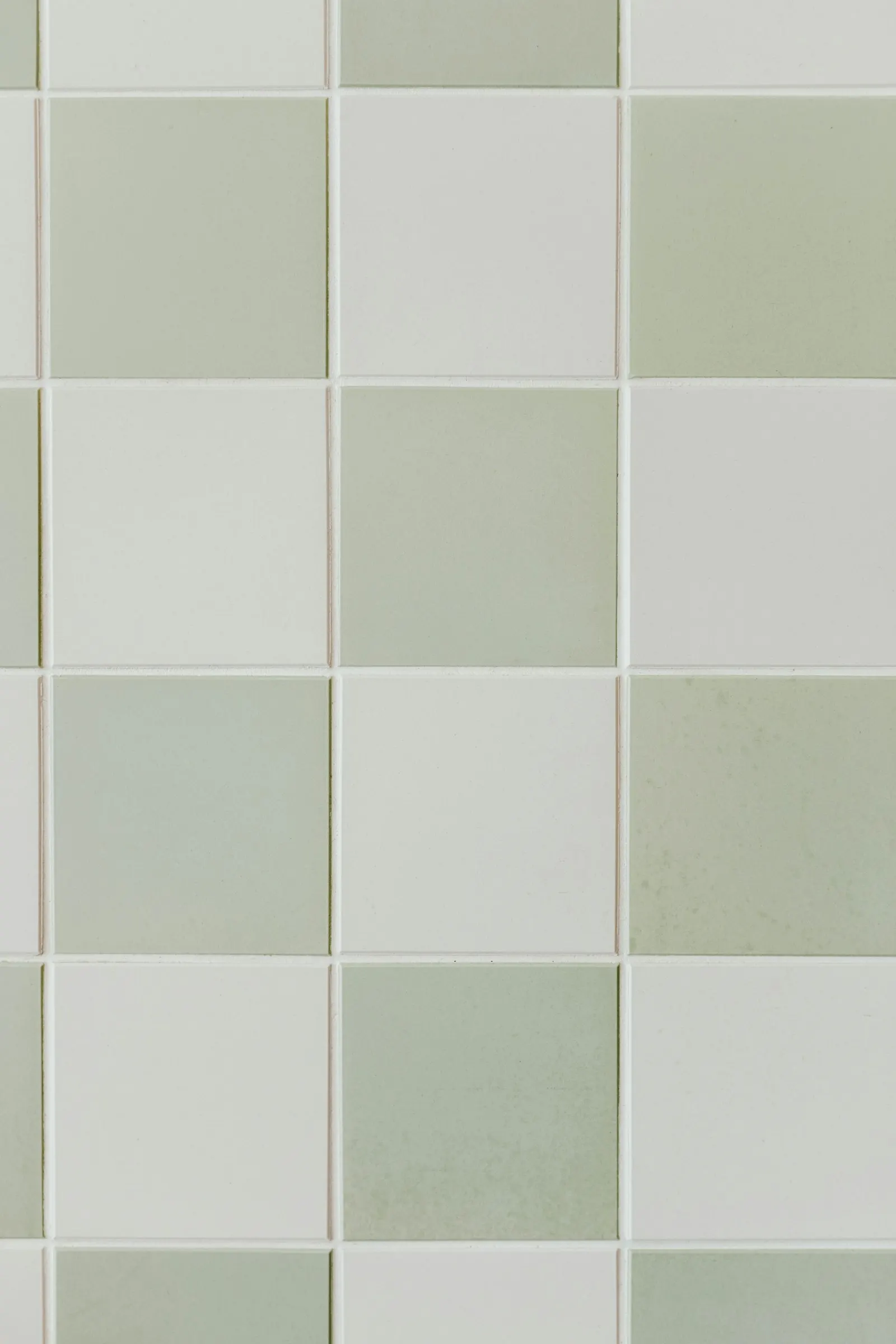
Tiles are tough, but they are not invincible. A dropped pan can crack a kitchen floor tile, a house settling on clay soil can open cracks in grout lines, and years of showers can leave grout stained, crumbling or full of mould. Small tile problems are worth fixing early because damaged grout and loose tiles let water get into places it should never reach.
We repair tiles and regrout in bathrooms, kitchens, laundries and entries across Cranbourne and the surrounding suburbs.
Tile and grout jobs we do
- Removing and replacing cracked or chipped tiles
- Re-fixing loose or drummy tiles
- Raking out and regrouting shower walls and floors
- Regrouting kitchen and laundry splashbacks
- Grout repairs in tiled floors
- Small new splashbacks behind sinks, cooktops and laundry tubs
- Tile patches after plumbing or electrical work
- Sealing grout once it has cured
- Replacing silicone at tile edges and corners
Why grout fails
Grout fills the gaps between tiles. Cement-based grout, the most common type, is slightly porous. Over time it can:
- Absorb water and soap and grow mould in wet areas
- Stain, especially on floors and in kitchens
- Crack where the building moves or where tiles flex
- Wash out or erode from heavy cleaning
- Crumble from age
Cracked or missing grout in a shower lets water through to the bedding and the waterproofing membrane underneath. If the membrane is sound, the damage is limited, but constant moisture can still cause mould and loosen tiles.
Regrouting
Regrouting refreshes a tired shower or splashback and can make a bathroom look much newer without retiling. Our process:
1. Rake out old grout to a consistent depth with a grout saw or oscillating tool, taking care not to chip tile edges.
2. Vacuum and clean the joints.
3. Mix and apply new grout, pressing it firmly into the joints.
4. Clean the tile face and shape the joints.
5. Allow it to cure before the area is wet.
6. Seal the grout if a sealer is appropriate for the product.
Corners and junctions between walls, and between walls and floors, should be sealed with flexible silicone rather than grout, because these joints move. Grout in corners almost always cracks. We replace it with silicone. See silicone and caulking.
Replacing cracked tiles
Replacing a single tile takes care because the surrounding tiles must not be damaged. We cut out the grout around the tile, break the damaged tile from the centre outwards, remove the old adhesive, set the new tile level with its neighbours and regrout.
Matching tiles is the hard part. Tiles are discontinued regularly, and even the same product can vary in shade between batches. If you have spare tiles left from the build, which is common in newer homes around Cranbourne East, Clyde North and Botanic Ridge, keep them. They are worth gold when a tile breaks. If not, we can help you look for a close match, or suggest a feature tile in a discreet spot.
Drummy and loose tiles
A tile that sounds hollow when tapped is called drummy. It means the adhesive underneath has lost contact. A few drummy tiles may not cause problems, but loose tiles crack easily and can let water in. We can lift and re-fix loose tiles. Widespread drummy tiles across a floor may point to a substrate or movement issue that needs a specialist tiler.
Shower leaks
If water is leaking from a shower into the next room, the floor below or the vanity, the problem may be grout and silicone or the waterproofing membrane underneath. Regrouting and resealing fixes the first. A failed membrane requires the shower to be stripped and rewaterproofed by a licensed waterproofer or registered builder. We can tell you which is more likely after inspection.
Small splashbacks
A tiled splashback behind a laundry tub, bathroom vanity or small kitchen section protects the wall from water and makes cleaning easier. We install small splashbacks on sound walls, using suitable adhesive and grout. Large kitchen splashbacks and feature walls are best done by a dedicated tiler.
Caring for tiles and grout
- Use pH-neutral cleaners on grout; harsh acids can erode it.
- Ventilate bathrooms during and after showers to reduce mould.
- Squeegee shower walls after use.
- Reseal grout periodically if a sealer was used.
- Fix cracked tiles and grout early.
Types of grout
Not all grout is the same, and choosing the right type matters for how long a repair lasts.
- Cement-based sanded grout suits wider joints and floors. It is strong but porous.
- Cement-based unsanded grout suits narrow wall joints and polished tiles that could be scratched by sand.
- Pre-mixed and polymer-modified grouts offer better stain resistance and flexibility.
- Epoxy grout is highly stain- and water-resistant and suits splashbacks, kitchen floors and some showers. It is harder to work with and must be cleaned off quickly before it sets.
When regrouting, we consider the joint width, the tile type, how wet the area is and how easy you want cleaning to be. In showers that grow mould quickly, a more resistant grout can be worth considering.
Raking out without damage
The trickiest part of regrouting is removing old grout without chipping tile edges or scratching glazed surfaces. We use carbide grout saws and oscillating multi-tools with grout blades, working slowly and keeping the blade centred in the joint. Glass mosaic tiles and soft natural stone need extra care. Where grout is very hard, such as epoxy, partial removal and regrouting may not be practical, and we will tell you before starting.
Natural stone and porcelain
Natural stone tiles, such as travertine, marble and slate, are porous and can stain from grout pigments and sealers. They usually need sealing before grouting and specific cleaning products. Large-format porcelain tiles are dense and strong but can be difficult to replace singly because of their size and the full-coverage adhesive used beneath them. We assess these tiles carefully and explain what is realistic.
Floor tiles in high-traffic areas
Entries, kitchens and living areas in many Cranbourne homes are tiled. Cracked tiles in these areas often come from a dropped object or from movement in the slab. A single cracked tile from an impact can usually be replaced. A line of cracked tiles running across a room often follows a crack in the slab beneath. Replacing those tiles without addressing the cause may see new cracks appear. Where slab cracks are wide or growing, we recommend advice from a building inspector or engineer.
Expansion joints
Large tiled floors need movement joints at the perimeter and at intervals across the floor, filled with flexible sealant instead of grout. Floors laid without enough movement joints can tent up, where tiles lift in a ridge, especially in rooms that get strong sun through glass doors. If you see tiles lifting in a ridge, keep traffic off the area and get it assessed, as tented tiles can crack suddenly.
Repairs after other trades
Plumbers and electricians sometimes need to cut into tiled walls to repair pipes or run new cables. Once their work is done, the tiles need to be replaced or patched. We can reinstate tiles using spare tiles you have kept or tiles salvaged from the opening. Where the area is in a shower, the waterproofing must be repaired before tiling by an appropriately qualified person.
Mould in grout
Black spots in shower grout are usually mould growing in the porous surface. Surface mould can often be cleaned with suitable mould removers. Deep mould that returns quickly after cleaning has penetrated the grout. Regrouting removes it, and improving ventilation, using an exhaust fan and drying surfaces after use stop it coming back.

Grout sealing
Sealing cement-based grout reduces staining and water absorption. Penetrating sealers soak into the grout and need reapplication every year or two in high-use areas. Sealers should only be applied once grout has fully cured. Epoxy grout does not need sealing.
Small tiling projects
Small tiling jobs we can help with include tiling a laundry splashback, a strip behind a bathroom vanity, a hearth surround, or a step or landing. We prepare the surface, set out the tiles so cuts are balanced, fix and grout them, and seal edges. Larger projects such as a full bathroom, a kitchen floor or outdoor paving are better suited to a dedicated tiler with the time and equipment for big areas.
Spare tiles: what to keep
If your home is new, look for leftover boxes of tiles in the garage, shed or roof space. Keep at least a few of each tile used in the house, labelled with the room. Note the product name, size and batch number from the box. A handful of spare tiles can save a lot of trouble when a single tile cracks. If you are renovating, ask your tiler to leave spares.
Preparing for a regrout visit
Clear bottles and accessories from the shower, remove bath mats, and avoid using the shower for a few hours beforehand so joints are dry. After regrouting, the shower usually needs to stay dry until the grout and any new silicone cure. We confirm the time before we leave. If you only have one shower, plan around that period.
Bathrooms in older homes
Older bathrooms in central Cranbourne, Lang Lang and Koo Wee Rup sometimes have tiles set in mortar beds on fibre cement or even older materials. Fibre cement sheeting in homes built before about 1990 may contain asbestos. If we need to cut or drill into old sheeting, we may recommend testing first.
Where we work
We repair tiles and regrout in Cranbourne, Cranbourne East, Cranbourne North, Clyde North, Botanic Ridge and our other service areas. Include photos and, if you have them, a spare tile when you request a quote.
Frequently asked questions
Can you replace one cracked tile?
Yes. Matching is easiest if you have spare tiles from the original build.
Will regrouting stop my shower leaking?
It fixes leaks caused by failed grout. If the waterproofing membrane has failed, the shower needs rewaterproofing by a specialist.
Why does grout in corners keep cracking?
Corners move. They should be sealed with flexible silicone rather than grout.
Can you change grout colour?
Regrouting allows a colour change, though results depend on the tiles and old grout. We discuss options first.
Do you tile whole bathrooms?
No. We repair, regrout and do small tiling. Full bathroom tiling is best done by a dedicated tiler.
What is epoxy grout?
A highly stain- and water-resistant grout suited to splashbacks and wet areas. It is harder to apply and remove than cement grout.
Why are my floor tiles lifting in a ridge?
This is called tenting and often relates to missing movement joints. Keep traffic off the area and have it assessed.
How long until I can use the shower after regrouting?
It depends on the grout and silicone used. We confirm the cure time before we leave.
Get a free quote
Send us your list of jobs, your suburb and a few photos. We will reply with a clear written scope and a free, no-obligation quote.
Get a free quote